Visit · Present-day sites
If you could stand
where he stood.
Memorials are not time machines. A visit can still be valuable if you ask what has been rebuilt, what has been preserved, and who decided how the story should be told.
Read the label
before the statue.
Many Rizal sites are reconstructions, museums, or plaques rather than untouched historical rooms. That does not make them meaningless. It makes the act of remembering visible.
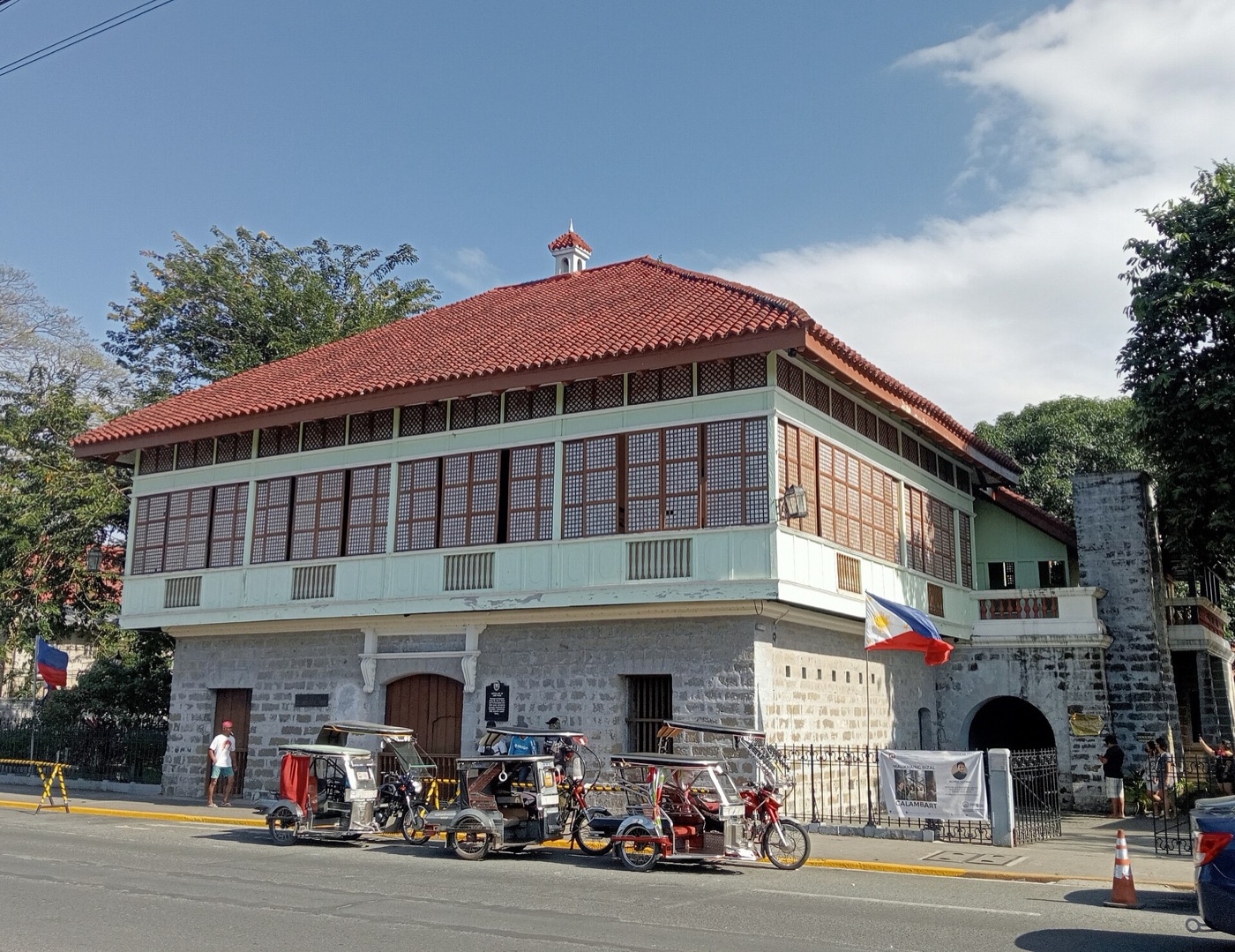
Rizal Shrine, Calamba
The reconstructed family house and museum in Calamba. The original house was destroyed; today’s structure is a reconstruction, so read the labels carefully.
Start with the household, not the monument. The family’s economic world is part of the story.
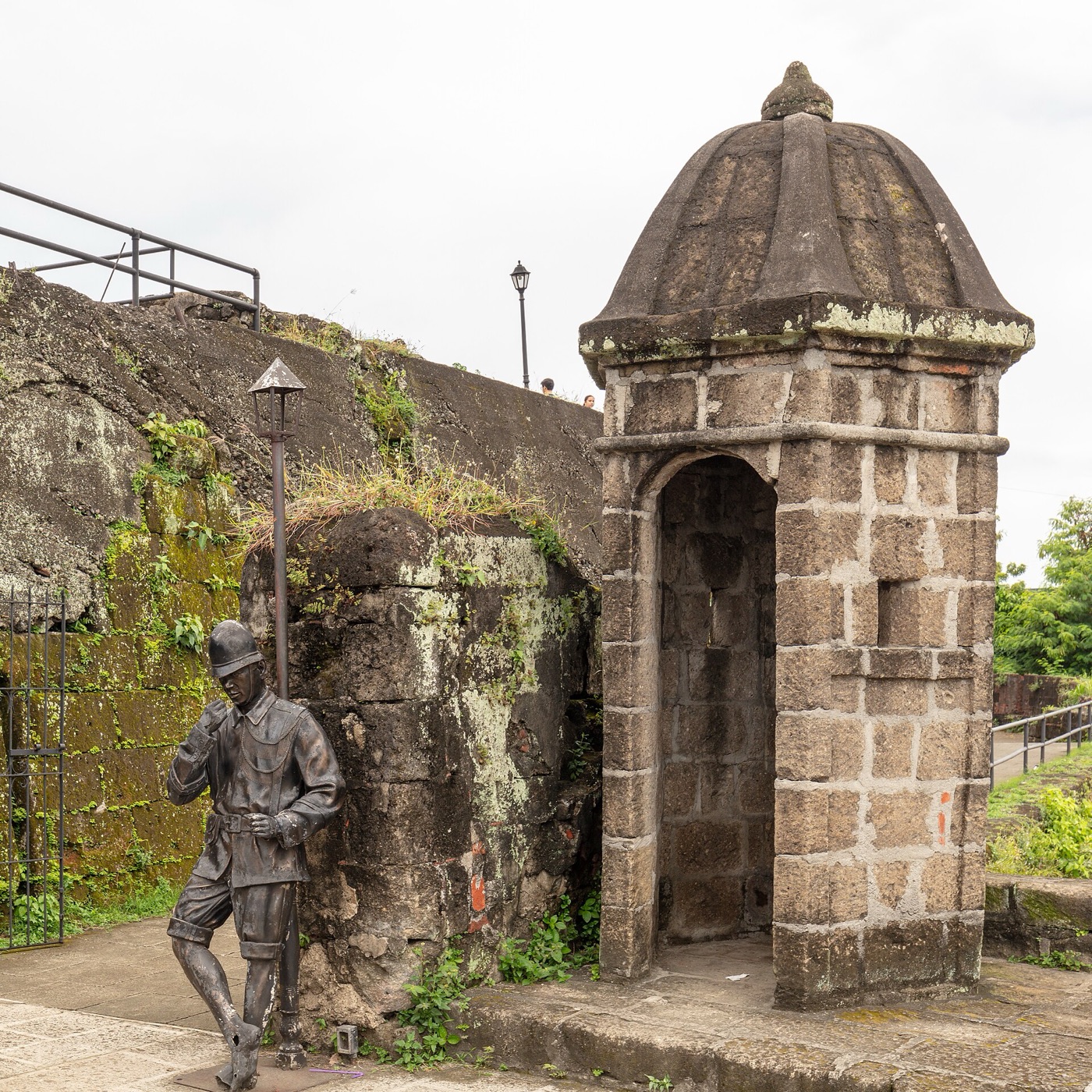
Fort Santiago, Intramuros
The Spanish fort where Rizal was held before his trial and execution. The site is now a museum complex inside the walled city.
Pair the visit with the Rizal Shrine inside the fort and with a walk through Intramuros.
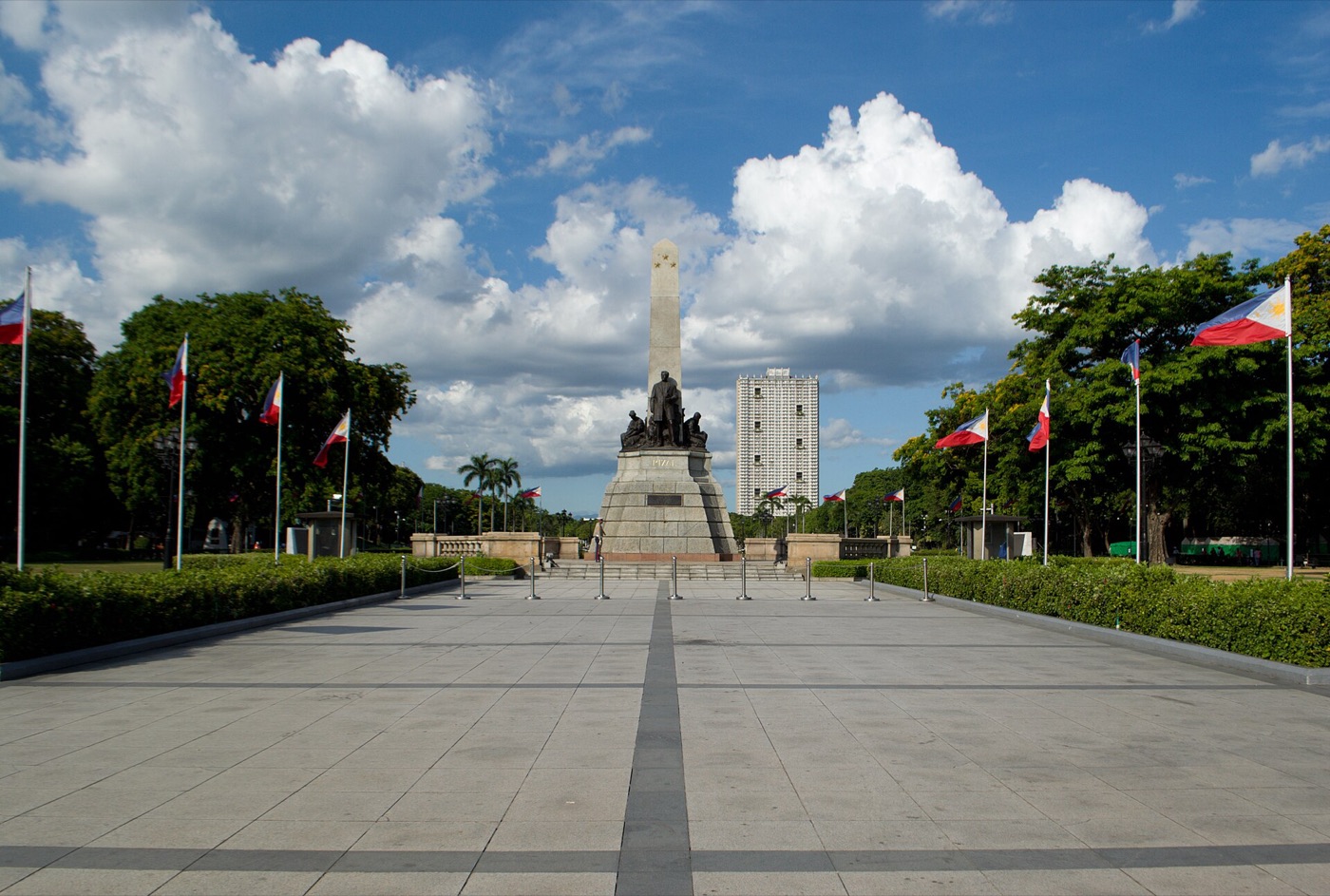
Rizal Monument, Luneta
The best-known memorial to Rizal, guarded and maintained as a national site. The monument’s scale and ceremony tell you how the state wants him remembered.
Ask what the monument emphasizes—and what it leaves out.

Rizal Shrine, Dapitan
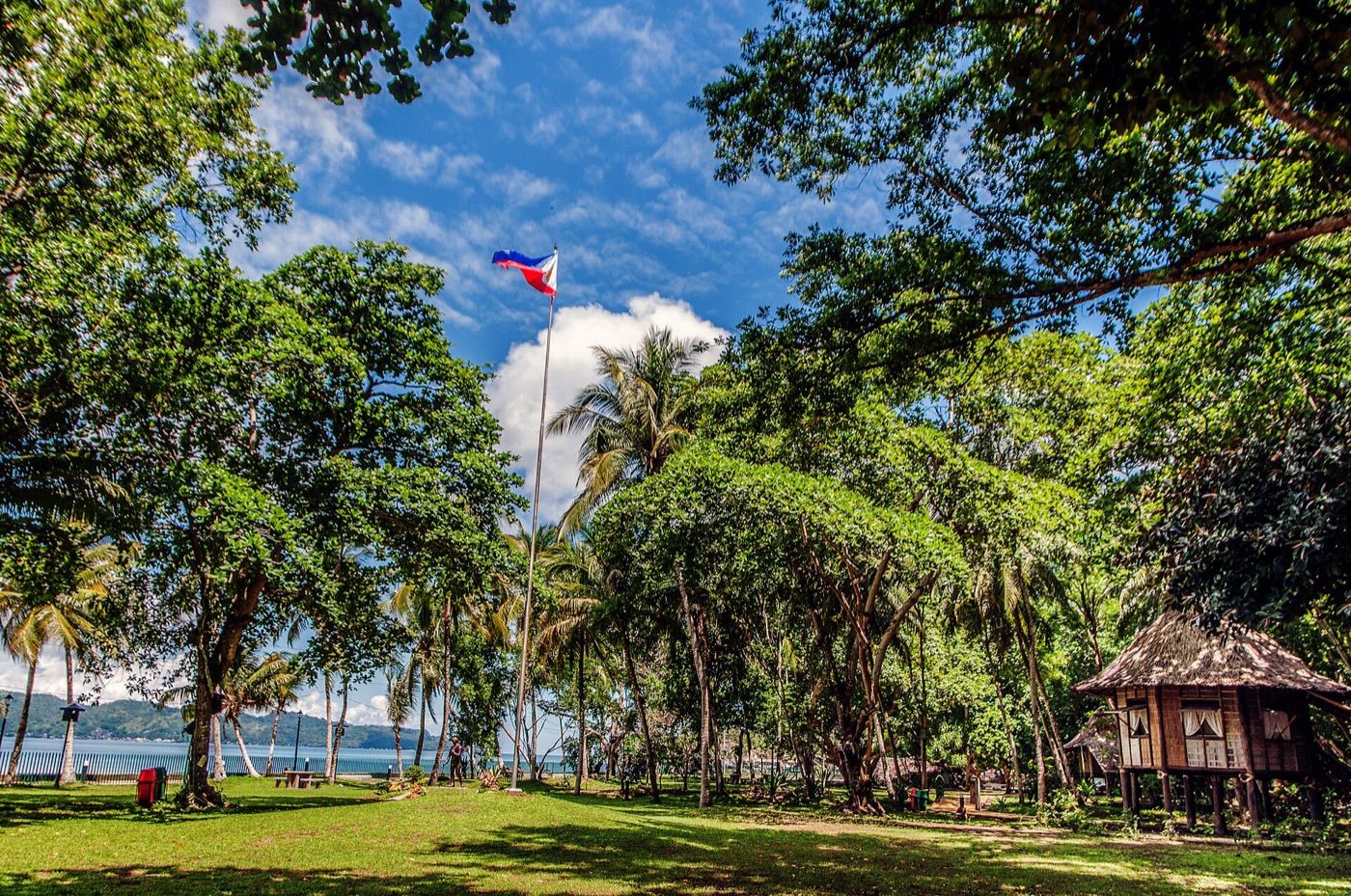
The Talisay property associated with Rizal’s exile, including reconstructed structures and a museum. The setting matters: exile was both restriction and a place of work.
Notice the distance from Manila. Geography is part of the punishment.
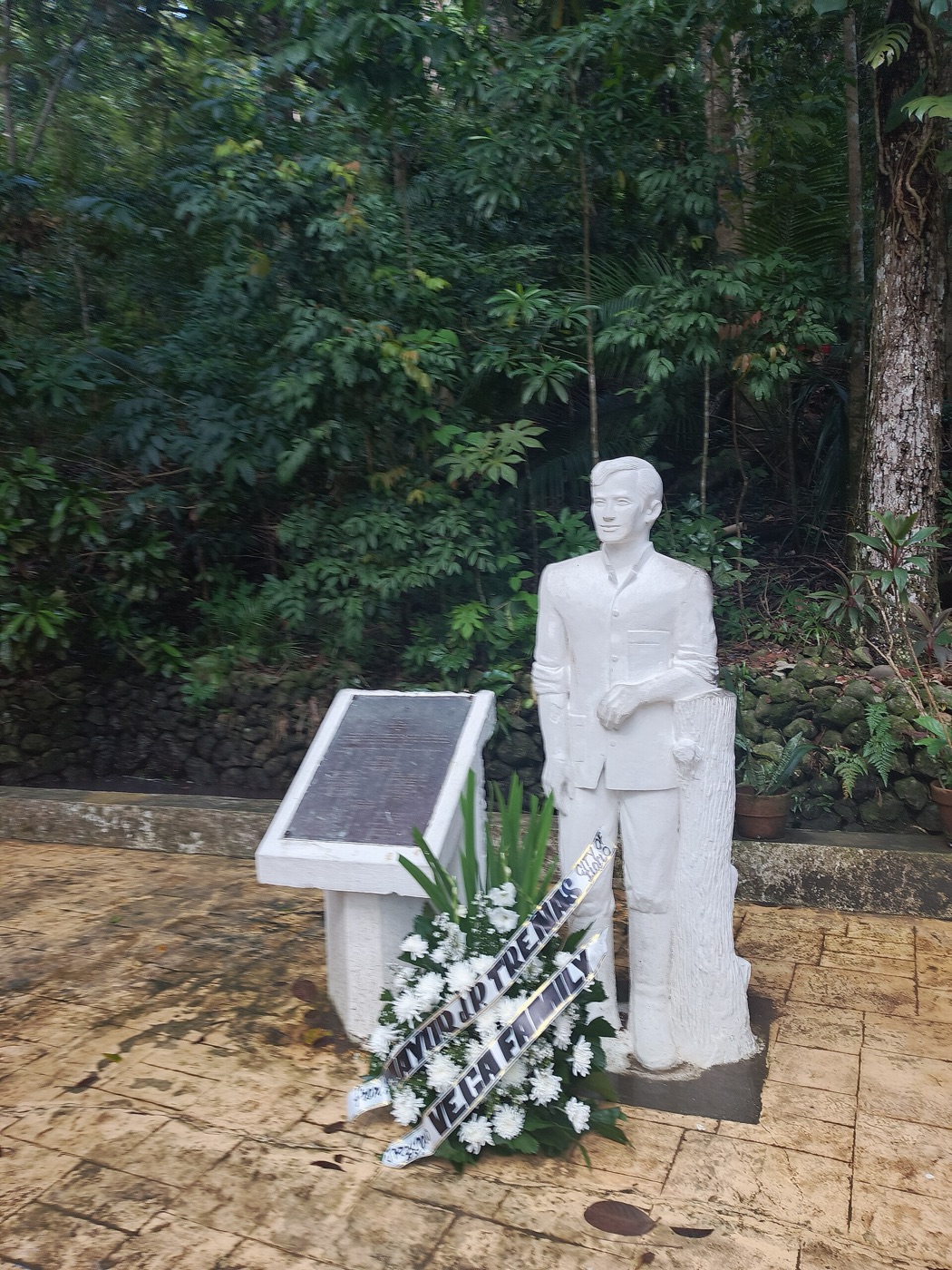
José Rizal Park and Shrine
A park and shrine landscape that commemorates Rizal’s medical practice, teaching, and community projects in Dapitan.
Look for the local institutions, not only the hero’s statue.
University of Santo Tomas
The University of Santo Tomas, where Rizal studied philosophy and medicine. The present main building is not the classroom he used.
Use the campus as a prompt to ask who had access to higher education in the nineteenth century.

Heidelberg
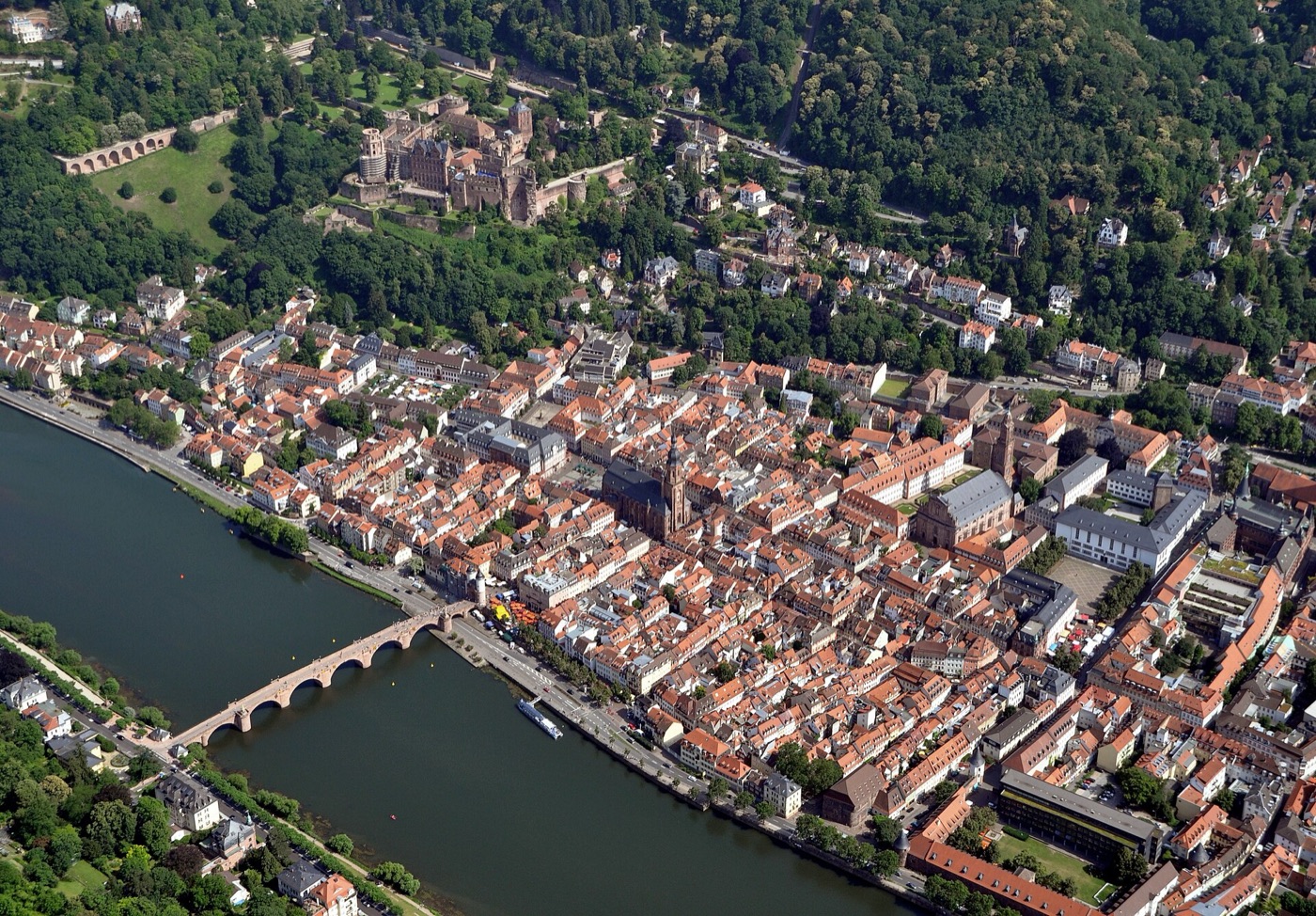
The old town and university city where Rizal trained in ophthalmology in 1886. The present-day view is a modern city, not a preserved nineteenth-century stage.
A good place to think about how professional training became a form of public service.
Rizal plaque, Ghent
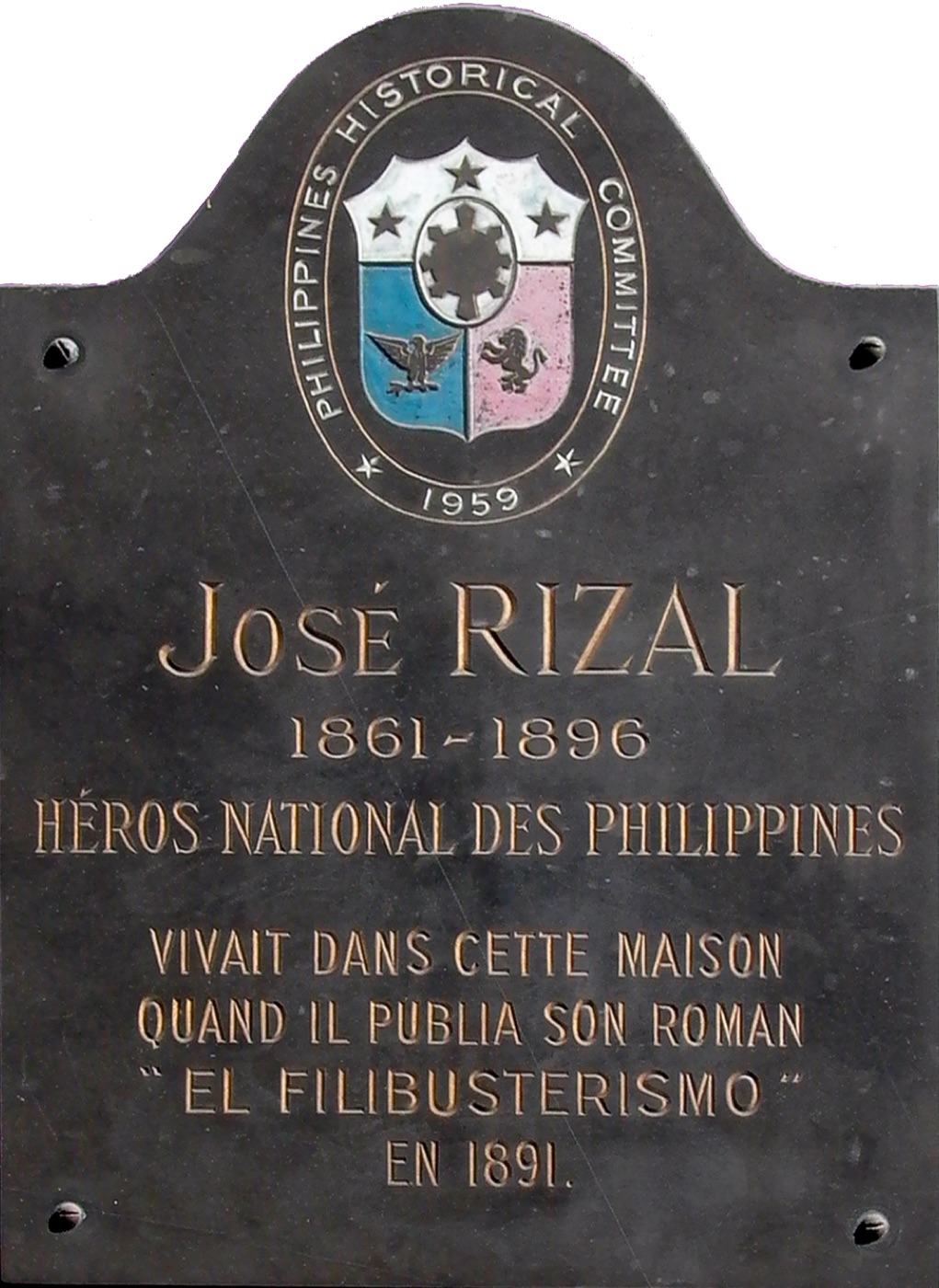
A plaque marks Rizal’s connection to Ghent, where El Filibusterismo was printed in 1891. It is a small marker in a cityscape, not a museum.
Pair it with the book: publication was a material process involving printers, money, and networks.
This is not a travel itinerary or an official visitor guide. Opening hours, fees, and access rules change. Confirm details with the site before travelling, and treat memorial spaces with respect.
Explore the geography
The journey page connects these sites to Rizal’s biography with approximate coordinates and sourced notes.