About · Beyond the Textbook
A hero with
tensions.
Rizal Interactive is a college learning project for Filipino students studying José Rizal. It moves from recognition toward historical understanding, critical reading, and civic reflection.
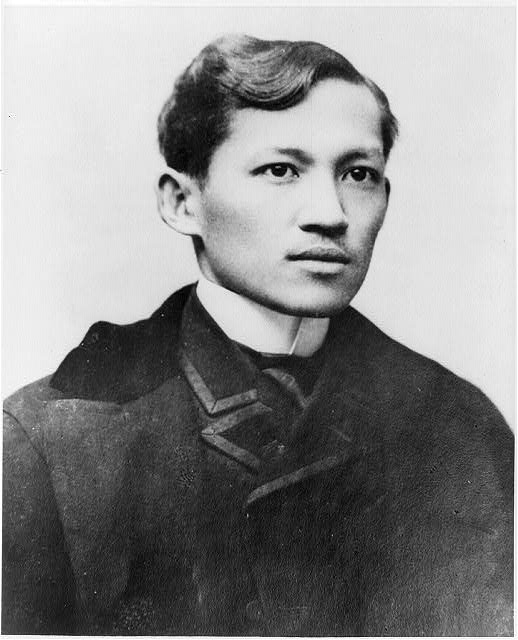
Learning objectives
- Locate Rizal’s life and writing within nineteenth-century colonial conditions.
- Explain how education, travel, and public service shaped his civic work.
- Use characters and textual evidence to discuss inequality, authority, and resistance.
- Distinguish historical facts, literary interpretations, fictional scenarios, and modern comparisons.
- Evaluate the costs of civic choices without reducing them to simple moral rankings.
A hero with tensions
Rizal’s access to education gave him tools to criticize inequality, while also placing him among a privileged minority. His fictional reformers and resisters do not provide one uncomplicated program. Compare their voices rather than treating every character as the author’s spokesperson.
His example invites a difficult question: how can people pursue change when institutions resist it, without treating other people’s suffering as an acceptable price? This is a teaching interpretation to discuss against the texts.
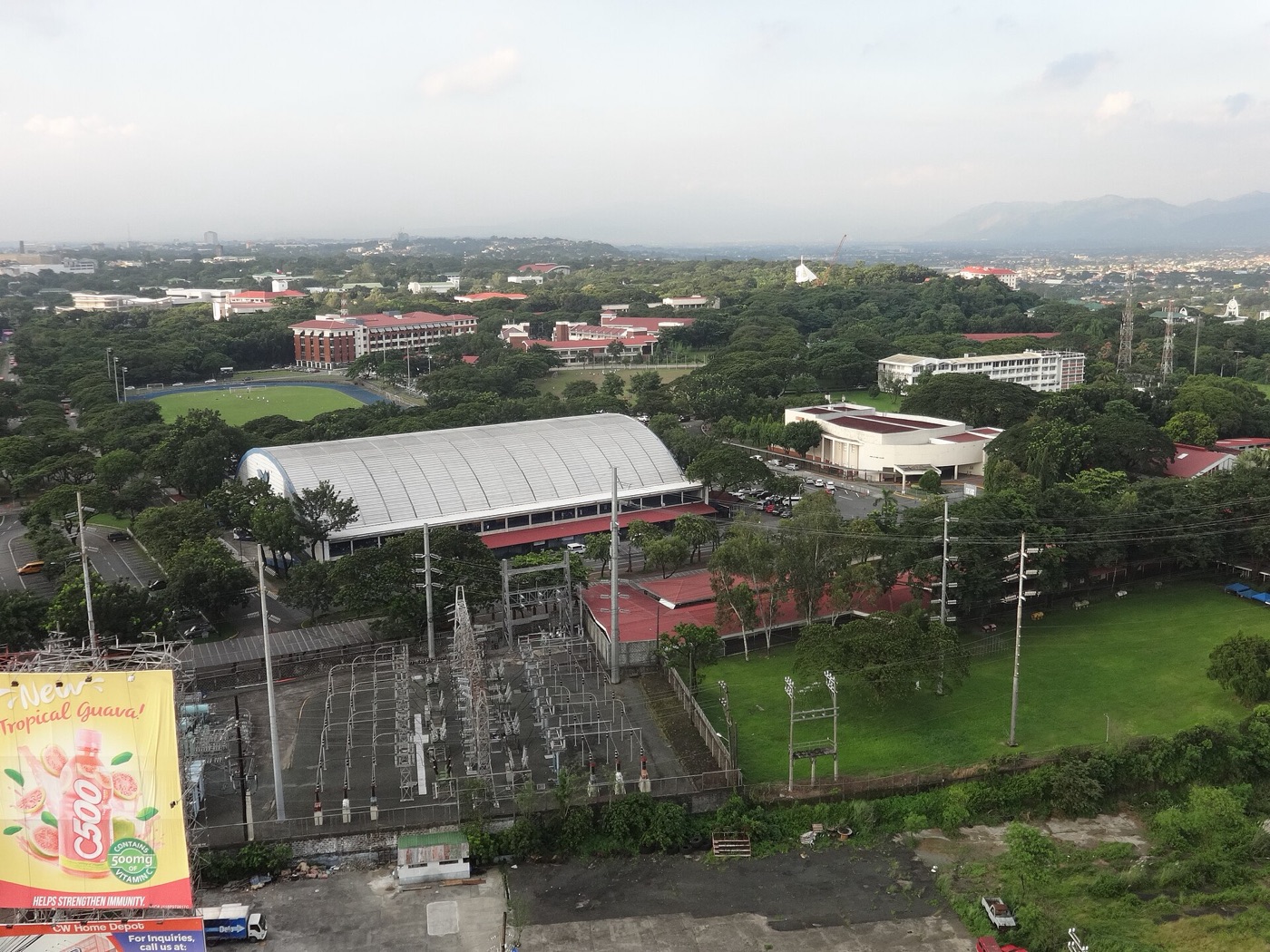
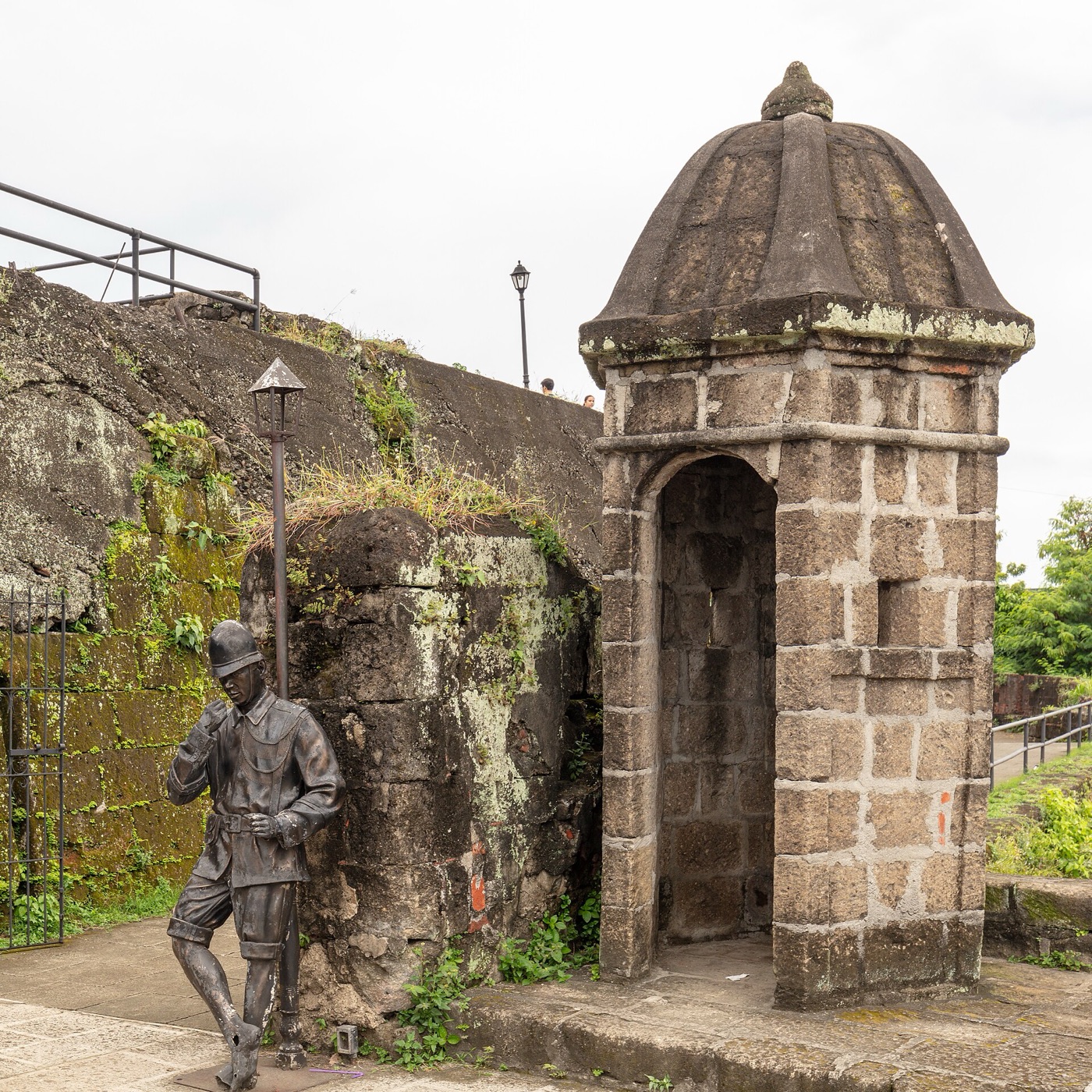
How the exhibition is organized
Six core experiences—timeline, journey, characters, decisions, then and now, and quiz—are available in the interactive edition. This standalone edition adds longer, image-led pages: the two novels, places, people, glossary, gallery, and visit guide. Every page cites the evidence it uses.
Project team
Contributor names are intentionally not fabricated. Replace the editable team fields in the interactive About page before a class submission, or enter names there on the presentation browser. Local team entries are not shared with other visitors.
Privacy and access
No account, backend, analytics, or submission service is used. Quiz progress, reflections, theme, and team details can be stored locally. OpenStreetMap requests reveal standard connection information to the tile provider when you open the Journey module. Your written reflections are not included.
Semantic landmarks, a skip link, native controls, visible focus, labeled fields, live feedback, reduced-motion CSS, and keyboard alternatives are included. This is an AA-oriented implementation, not a claim of independent WCAG certification.
Use the interactive edition
Filters, branching scenarios, a randomized quiz, and the map all live in the original exhibition.