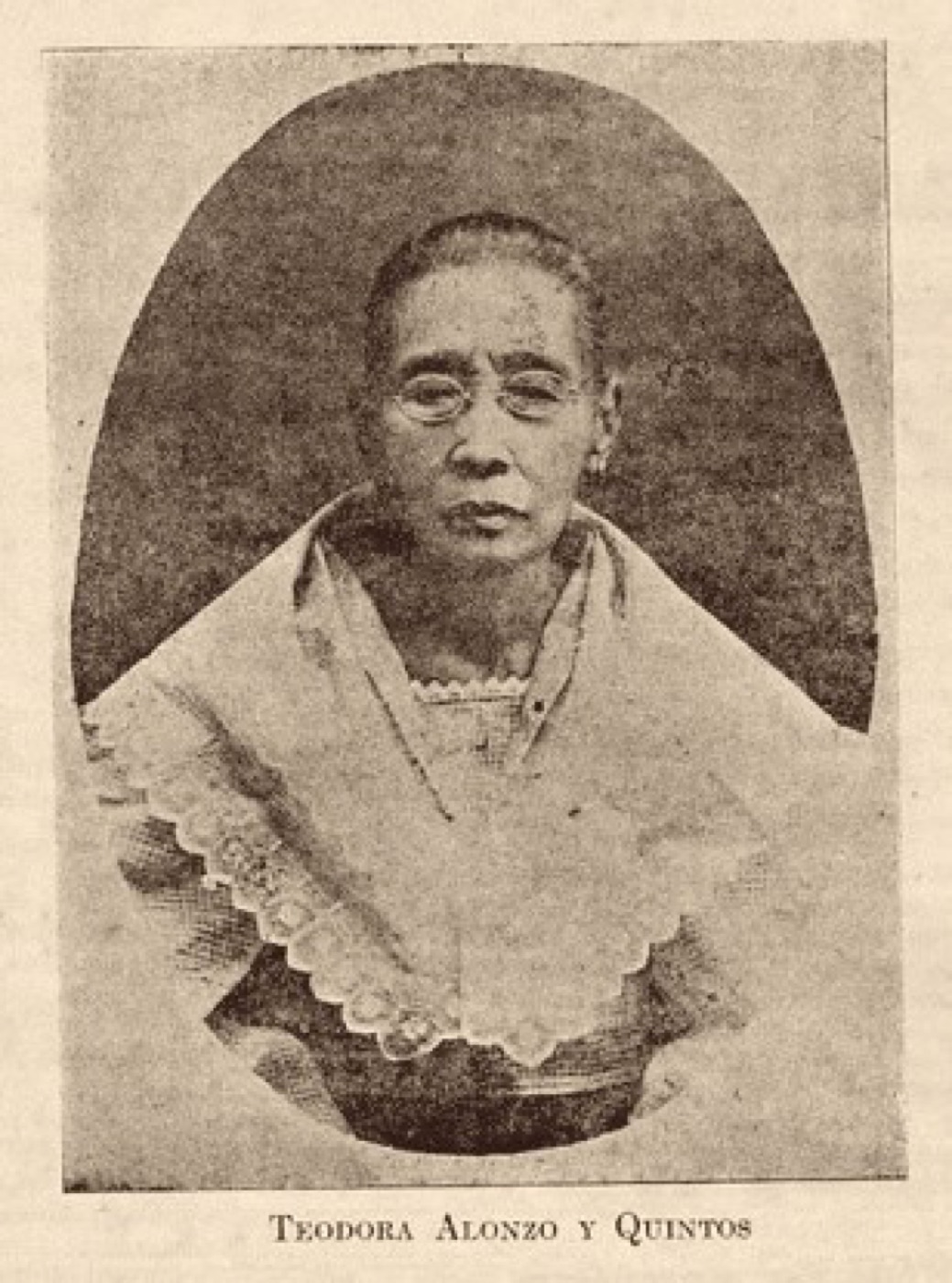
Teodora Alonso y Quintos
Mother · 1827–1911Rizal’s first teacher. Her own education and business experience shaped the household’s emphasis on learning.
Rizal dedicated part of his work to her and wrote about her imprisonment as a family injustice.
People · Family, friends, contemporaries
Rizal did not become Rizal alone. Family, teachers, friends, editors, and political rivals made his work possible—and argued with it.
The romantic image of the lone hero hides the households, friendships, printing presses, and political networks that made the work possible.
Rizal’s first teacher. Her own education and business experience shaped the household’s emphasis on learning.
Rizal dedicated part of his work to her and wrote about her imprisonment as a family injustice.
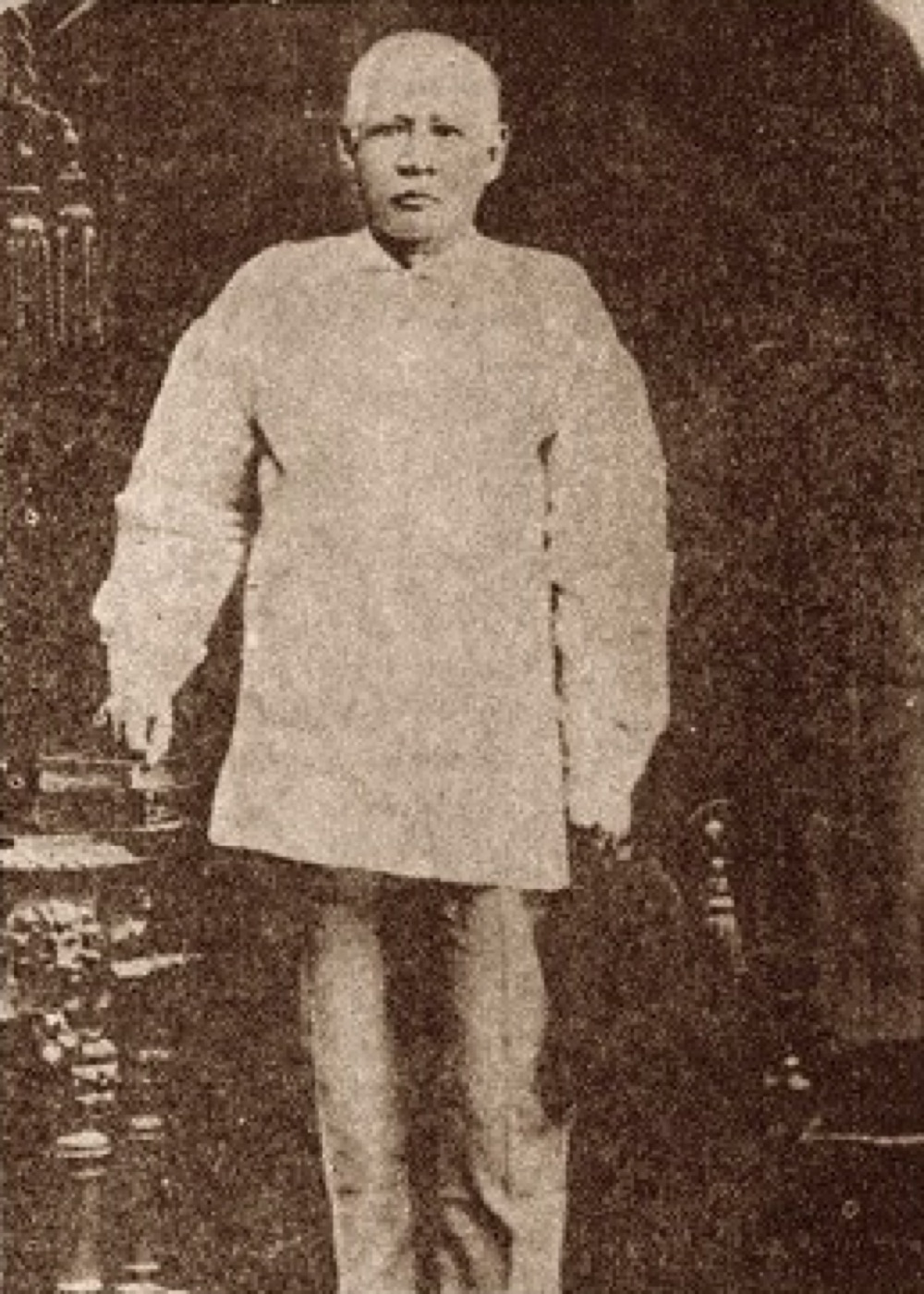
A tenant farmer in Calamba. The family’s economic position made schooling possible but also tied it to land and patronage.
The family’s dispute with the Dominicans over land became part of the pressure that shaped Rizal’s later writing.
Rizal’s older brother, who supported his studies and later joined the revolution.
Paciano’s political experience and sacrifice complicate the image of Rizal as a solitary hero.
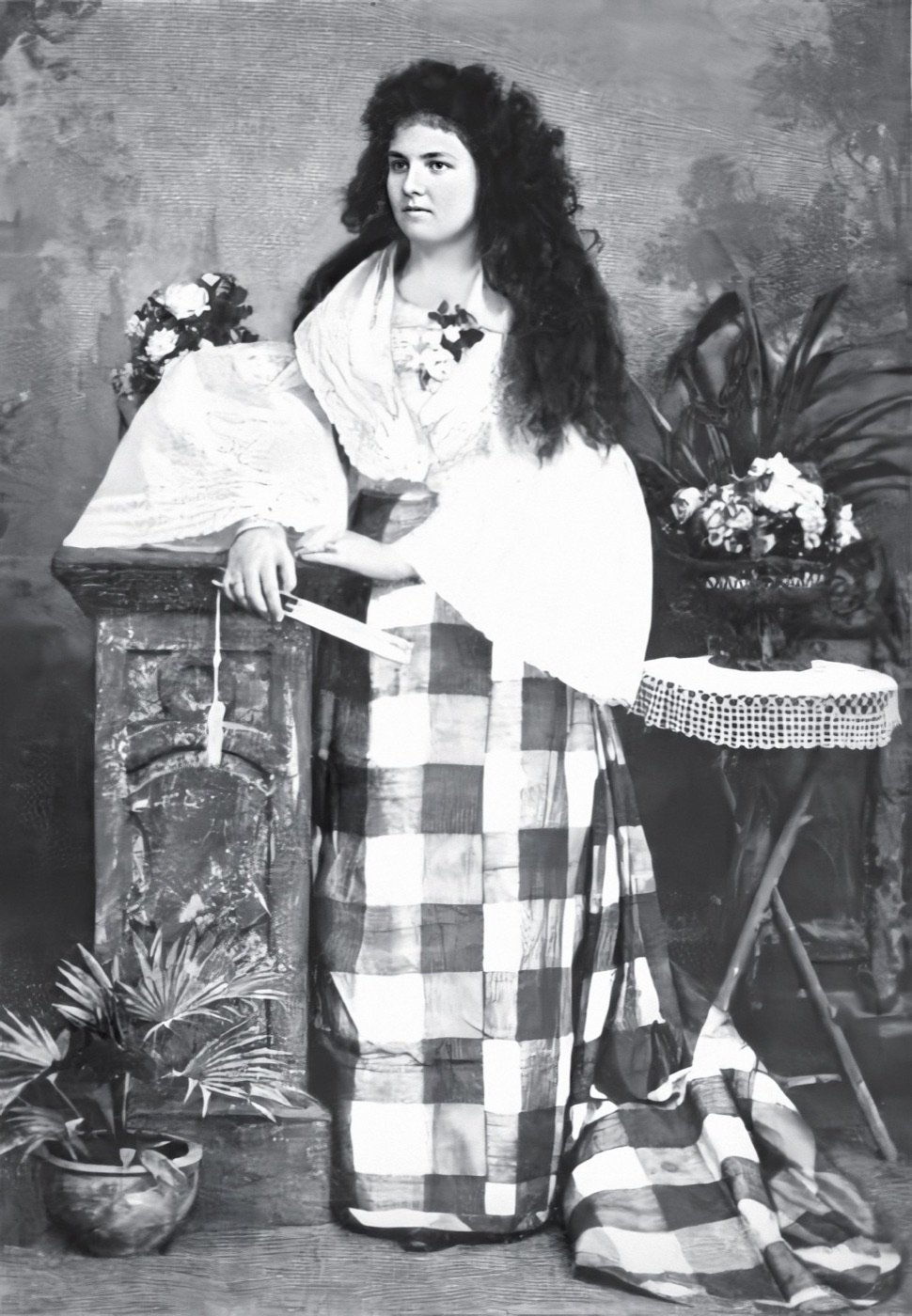
Rizal’s companion in Dapitan. Their relationship and the circumstances of their marriage remain debated by historians.
She is often reduced to a romantic footnote. Her life after Rizal’s execution deserves separate attention.
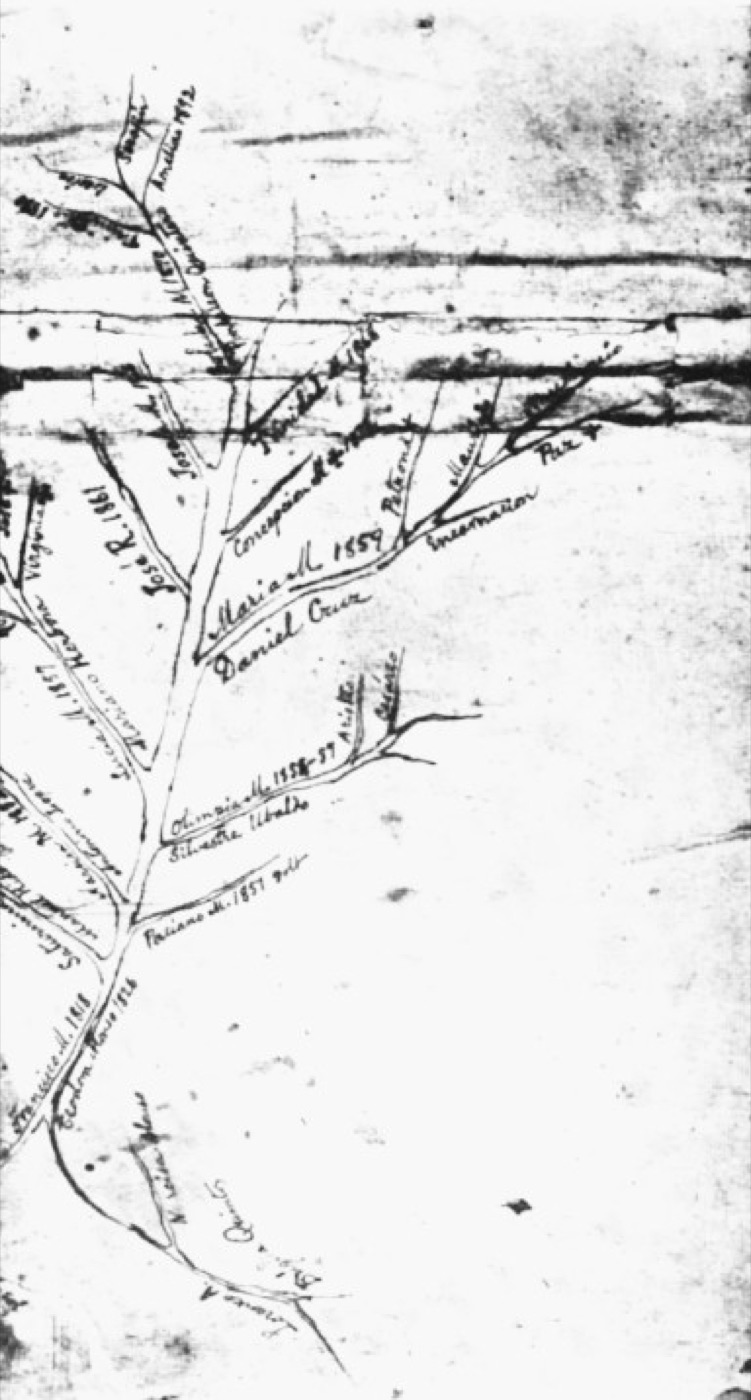
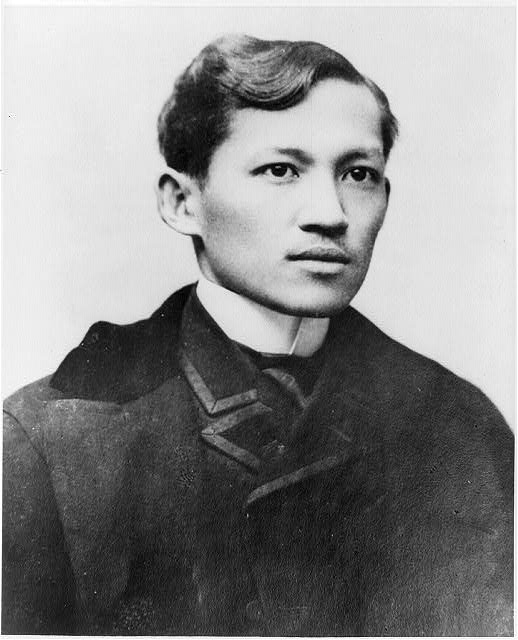
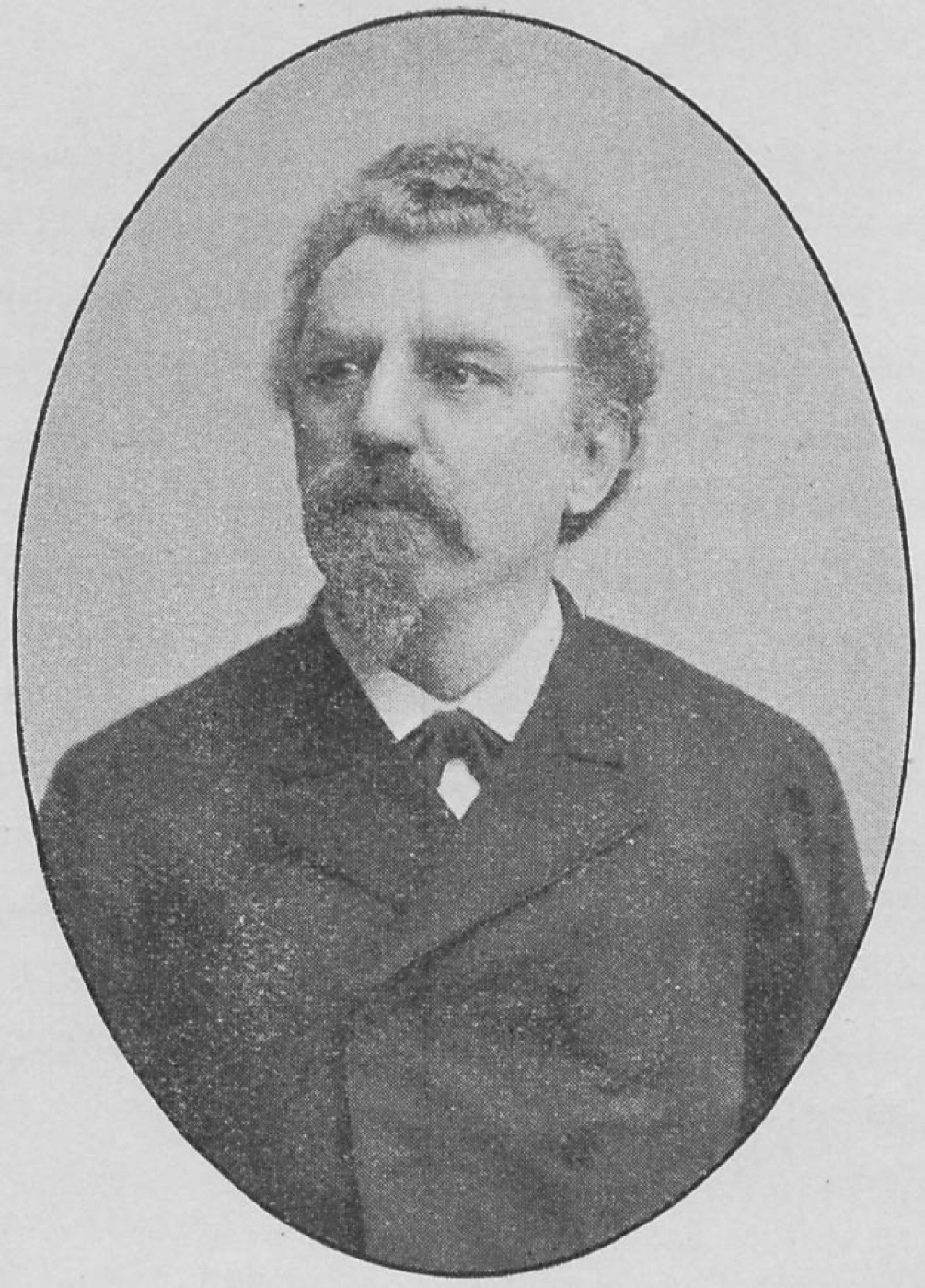
An Austrian ethnographer and teacher who corresponded with Rizal for years and defended his work in Europe.
Their letters show Rizal thinking through questions of language, ethnography, and national identity.
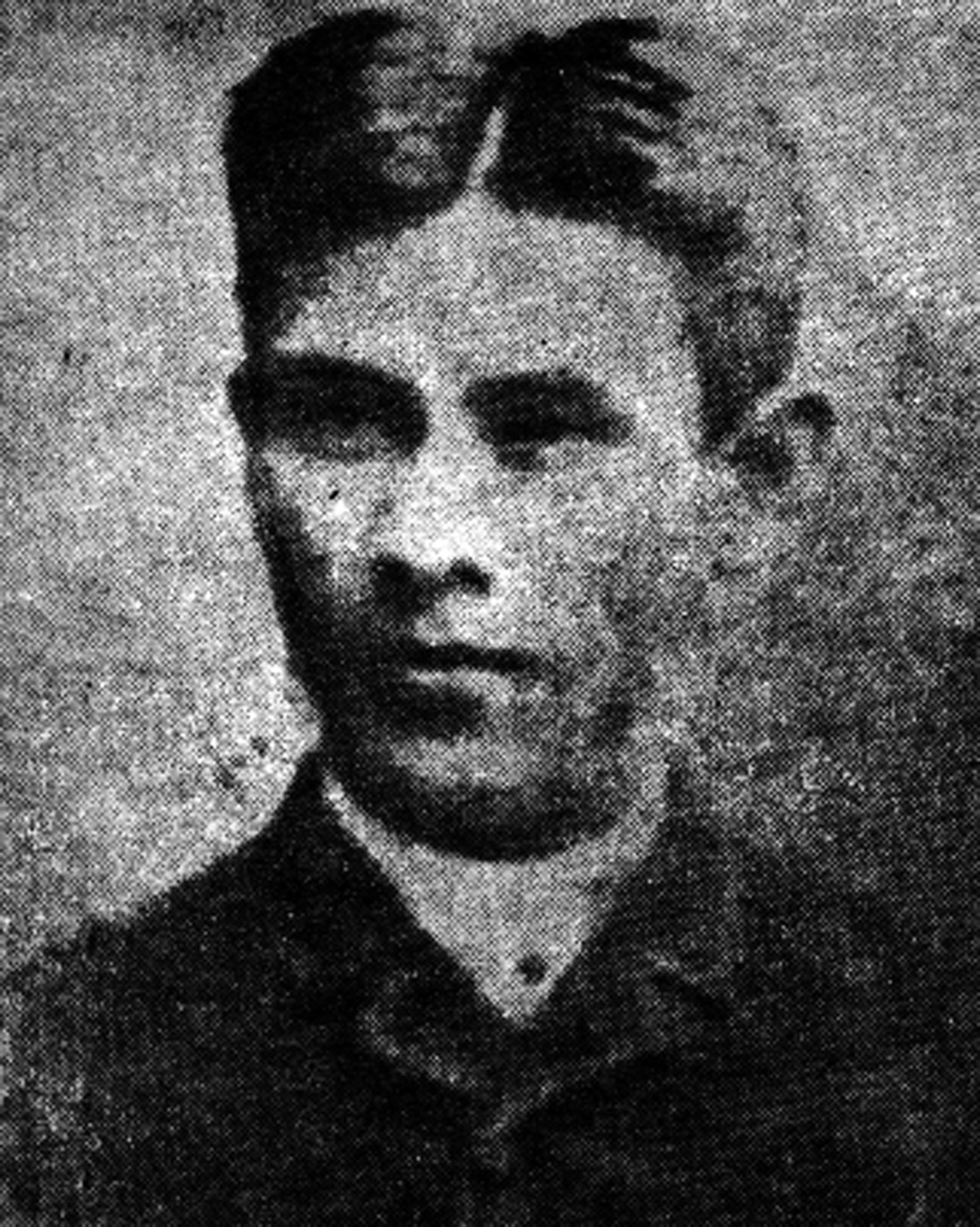
A physician and friend who helped finance the printing of Noli Me Tangere.
Publication was not a solitary act. It depended on money, trust, and networks.
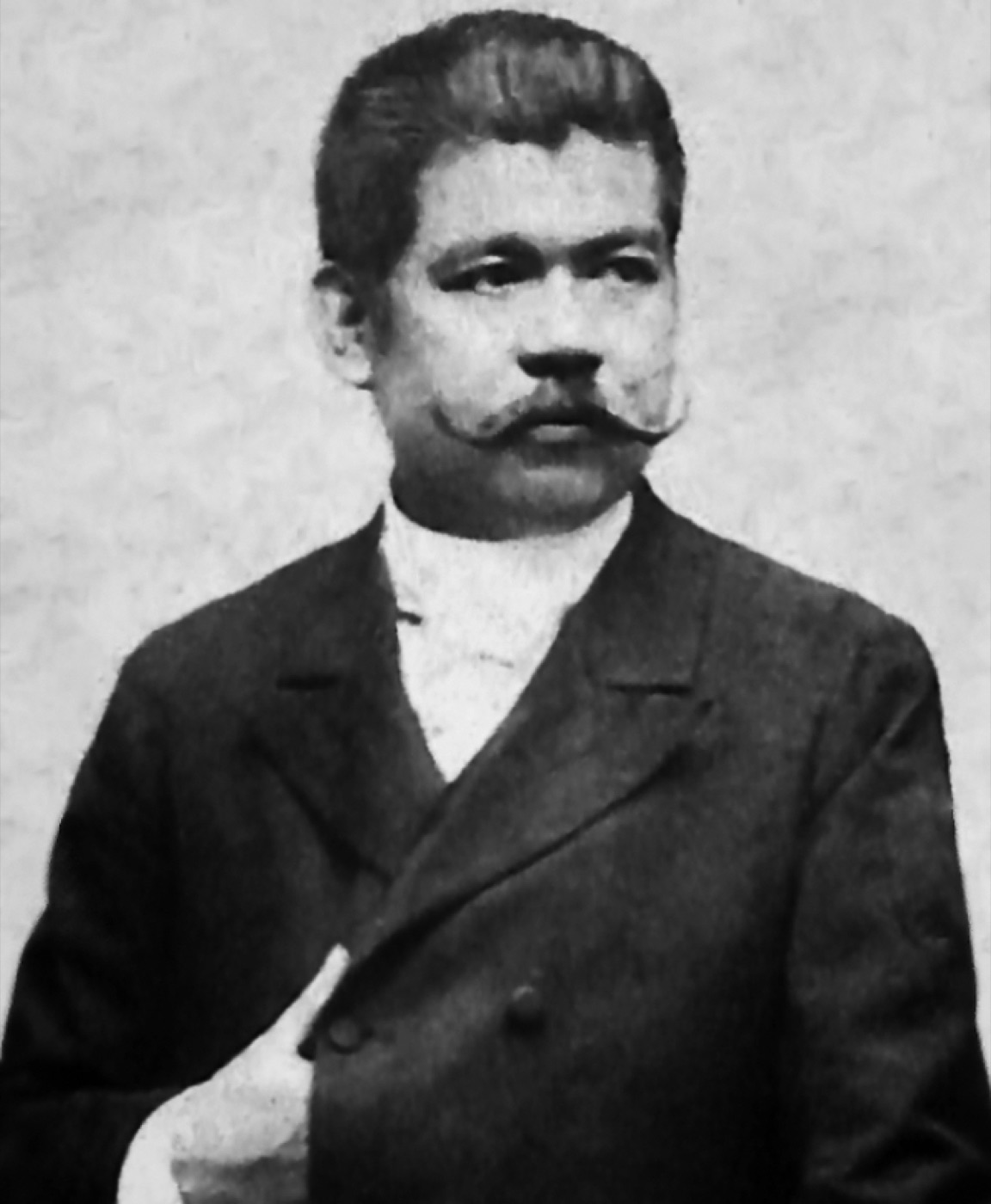
Editor of La Solidaridad and a leading figure of the Propaganda Movement in Spain.
Del Pilar’s political organizing pushed Rizal toward sharper public argument, though they did not always agree.
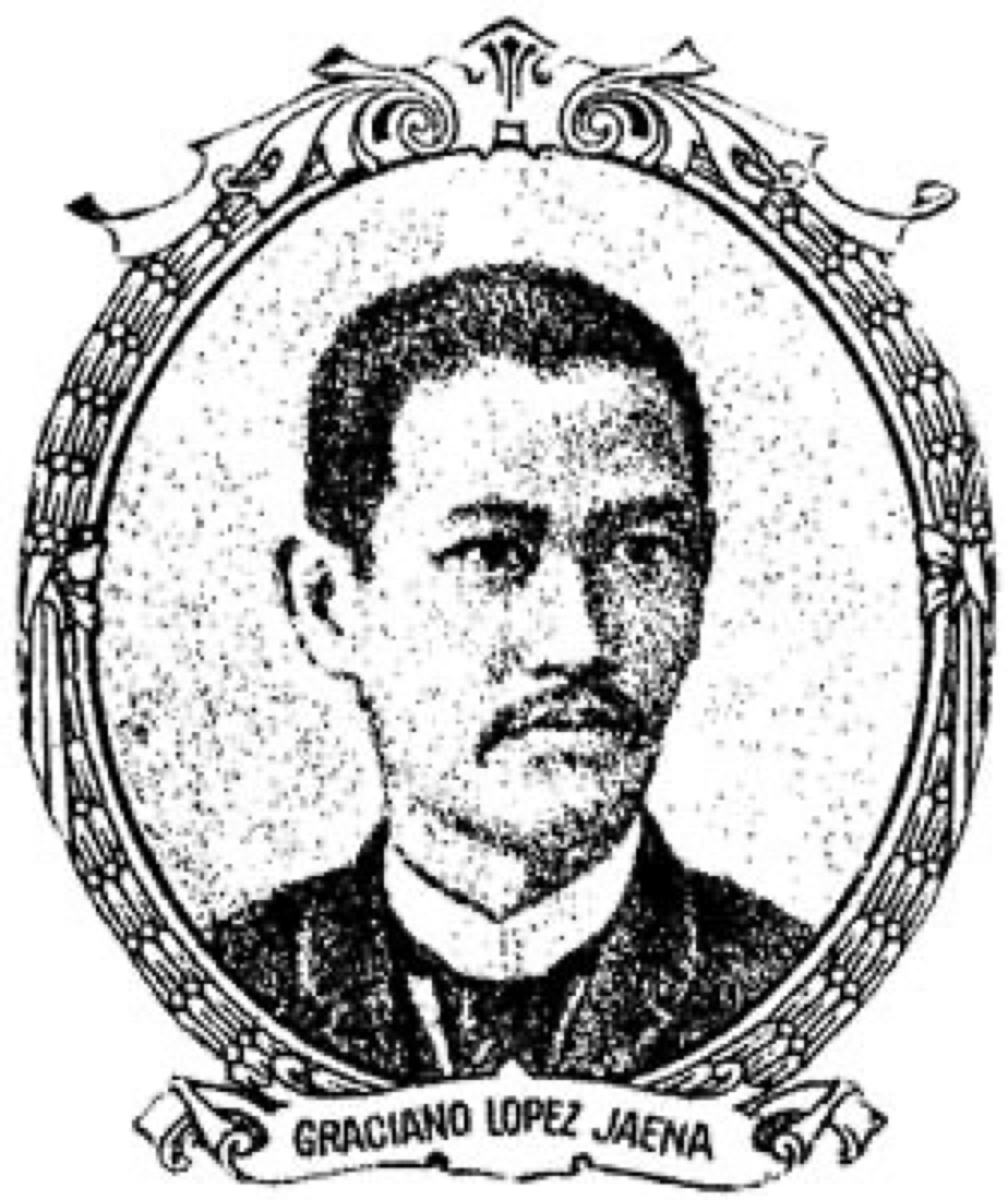
The first editor of La Solidaridad and one of the movement’s most effective speakers.
His oratory and Rizal’s fiction used different means to make colonial abuse visible.
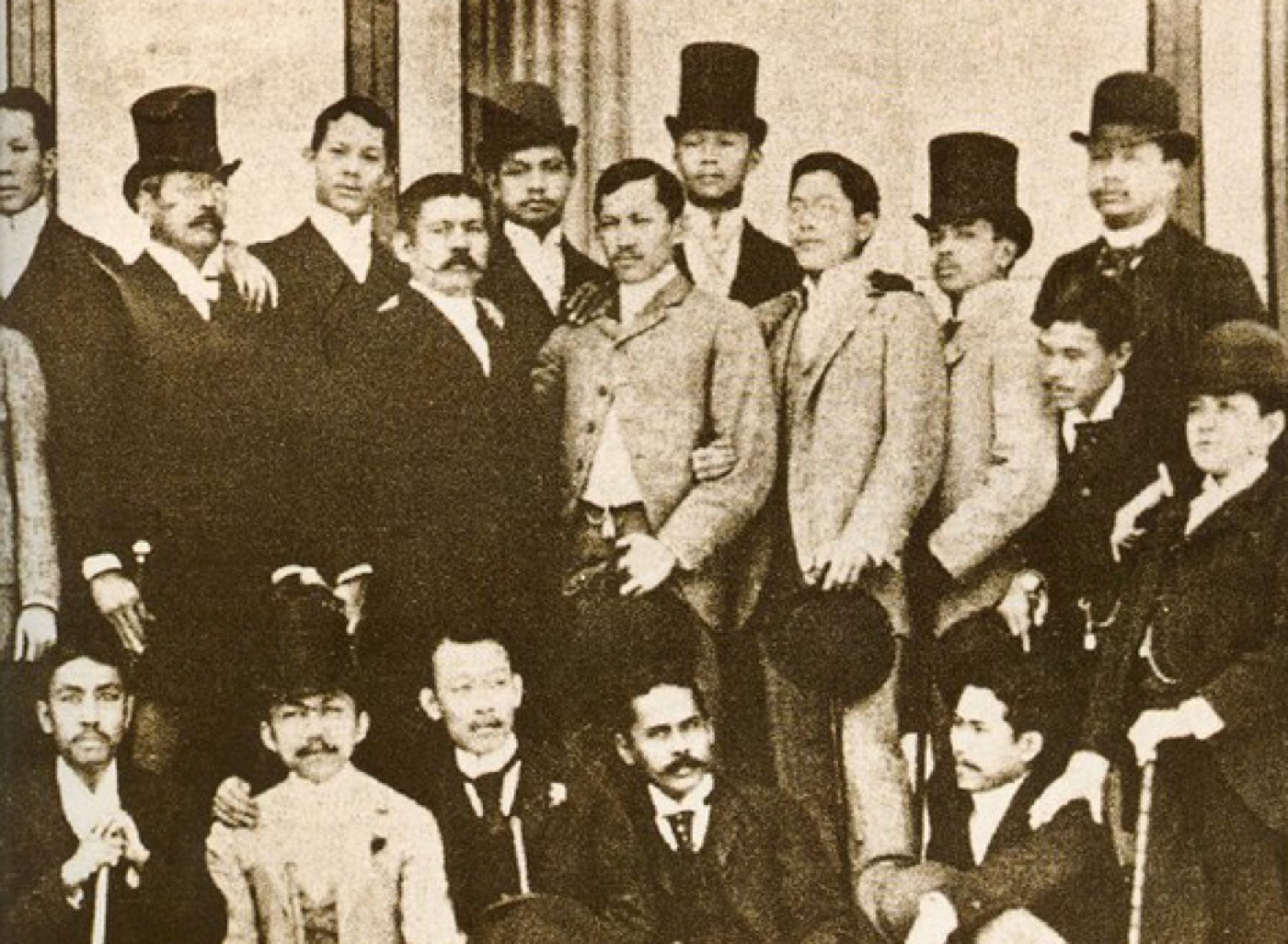
Filipino students and exiles in Madrid debated reform, representation, and the future of the islands.
The group portrait is evidence of a network, not a unified political party.
These figures are not interchangeable allies. Bonifacio, Luna, and Mabini belonged to a generation that confronted the consequences of reform’s failure.
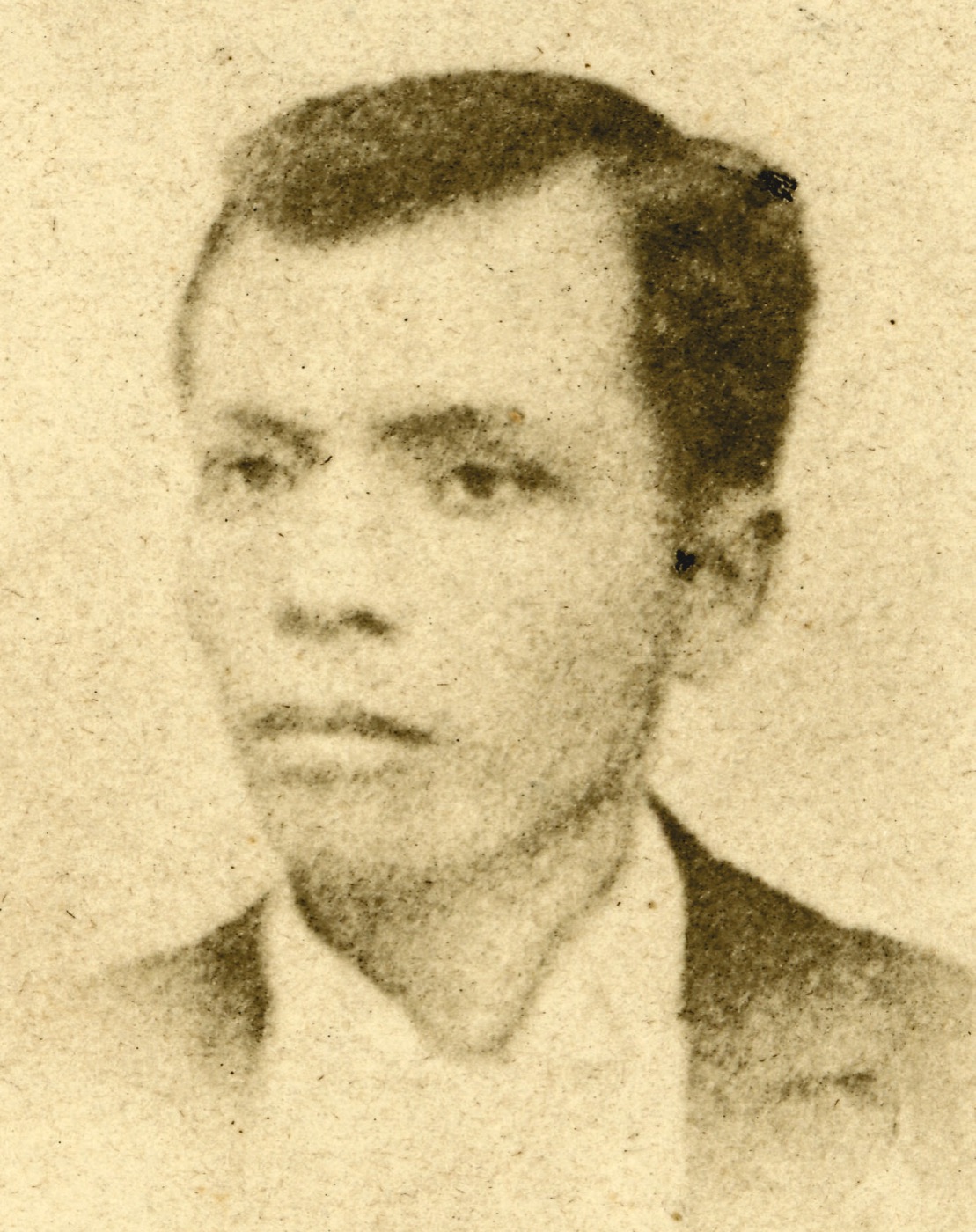
Bonifacio founded the Katipunan and led the revolution that began in 1896.
Rizal’s reformist strategy and Bonifacio’s revolutionary organizing are often set in opposition. The relationship is more complicated than a simple rivalry.
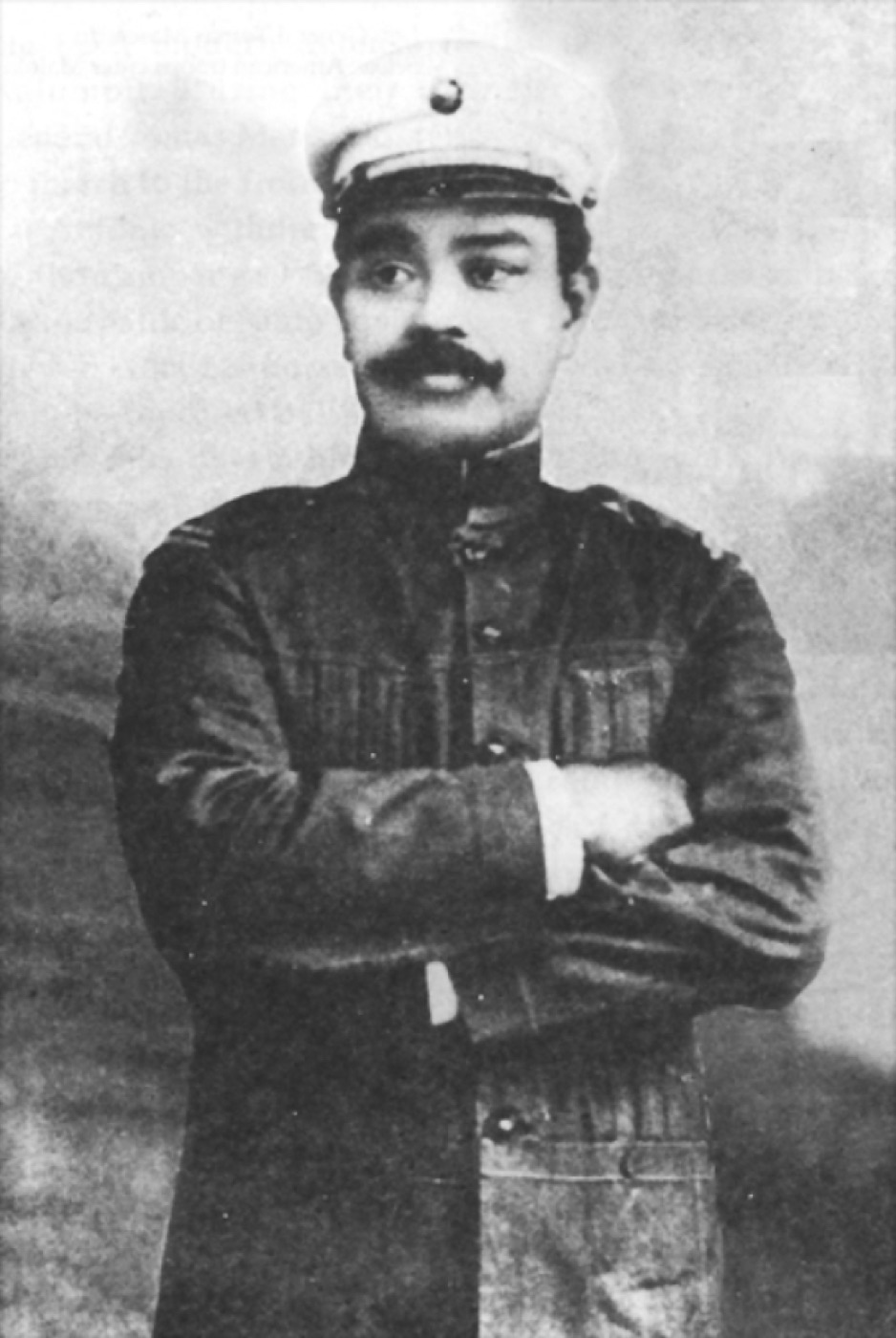
A physician, writer, and general of the Philippine Revolution.
Luna’s career shows how the generation after Rizal moved from reformist writing into military struggle.
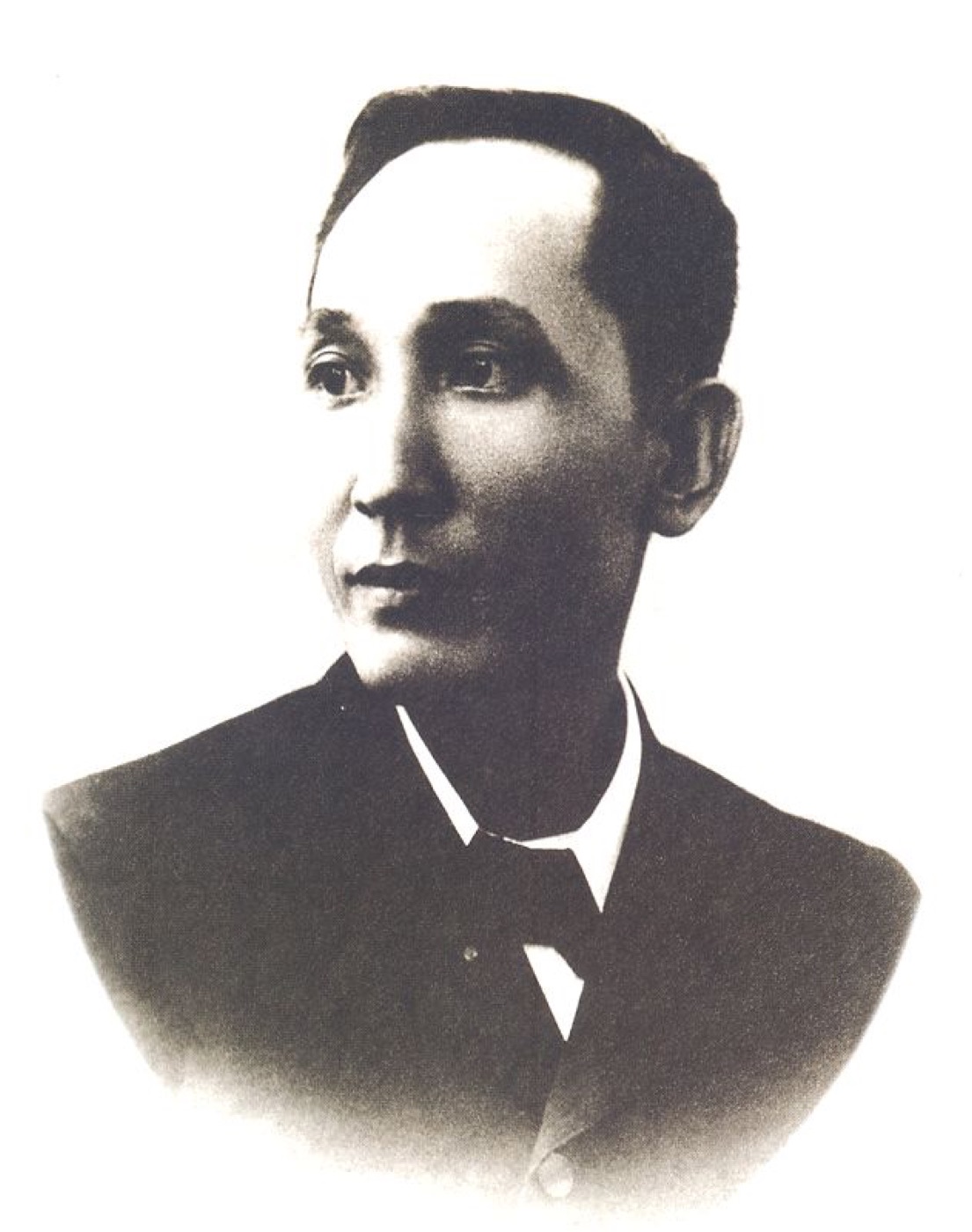
The “Sublime Paralytic,” legal adviser to the First Philippine Republic.
Mabini’s constitutional work belongs to the post-Rizal generation that had to build institutions, not only criticize them.
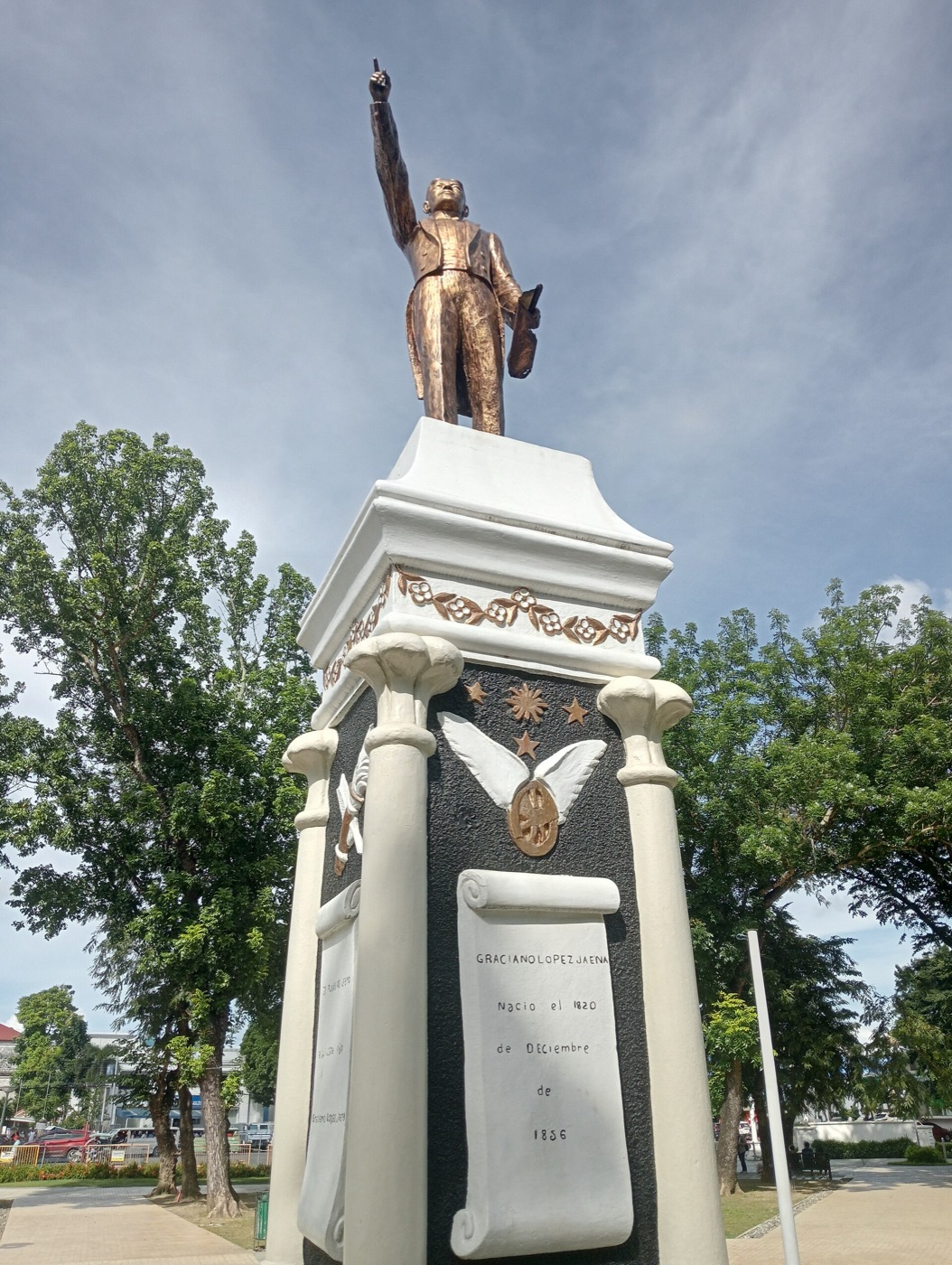

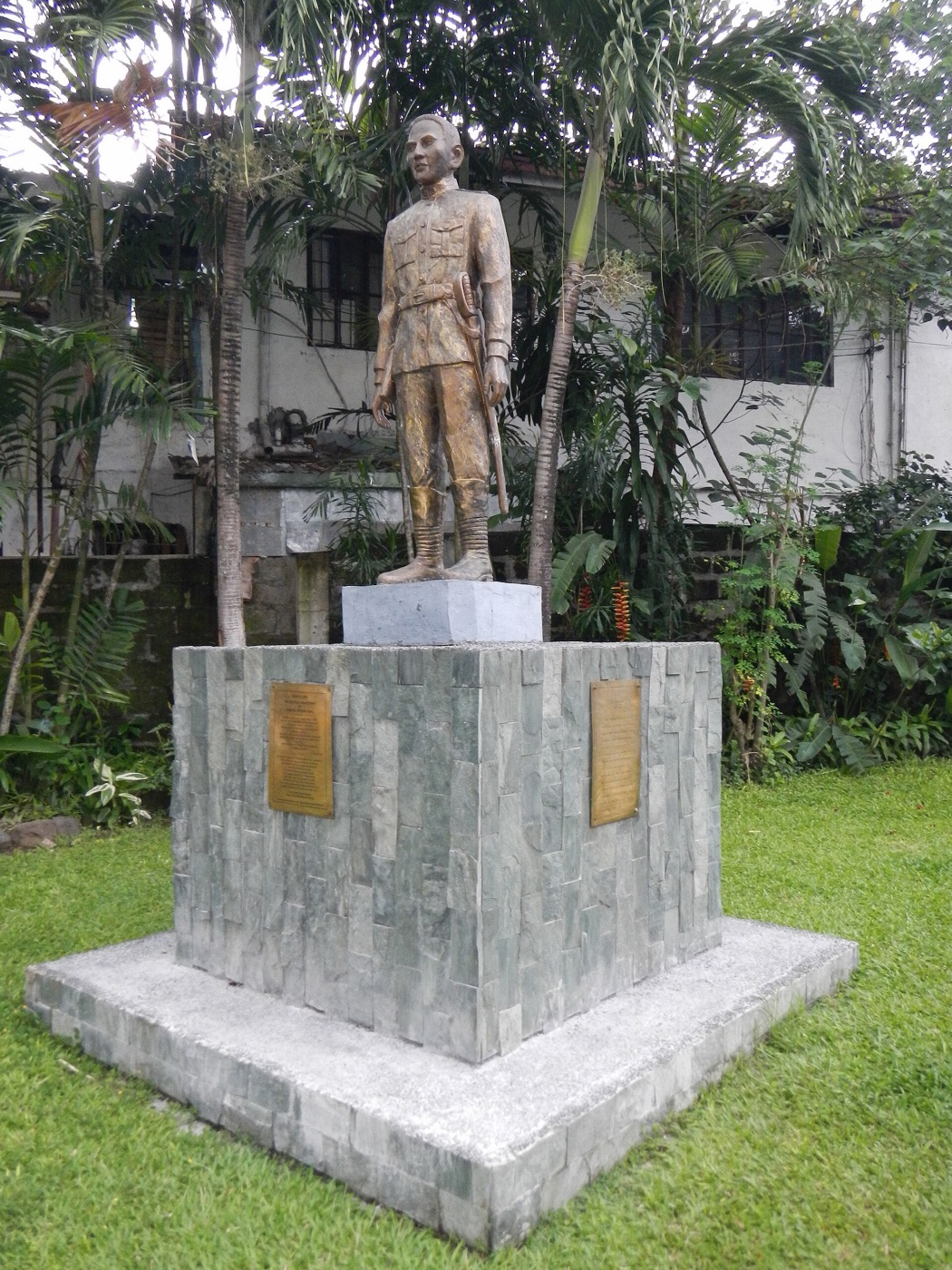
Portraits are historical reproductions or photographs of memorials. Captions name the source and license. Where a portrait is a later photograph of a monument, the caption says so.