Journey · Ten places

A world of
influences.

Rizal’s life was not a single route. It was a series of stays, crossings, and returns. Follow the places that widened his perspective—and the ones that confined him.
10 placesApproximate locationsPresent-day photographs
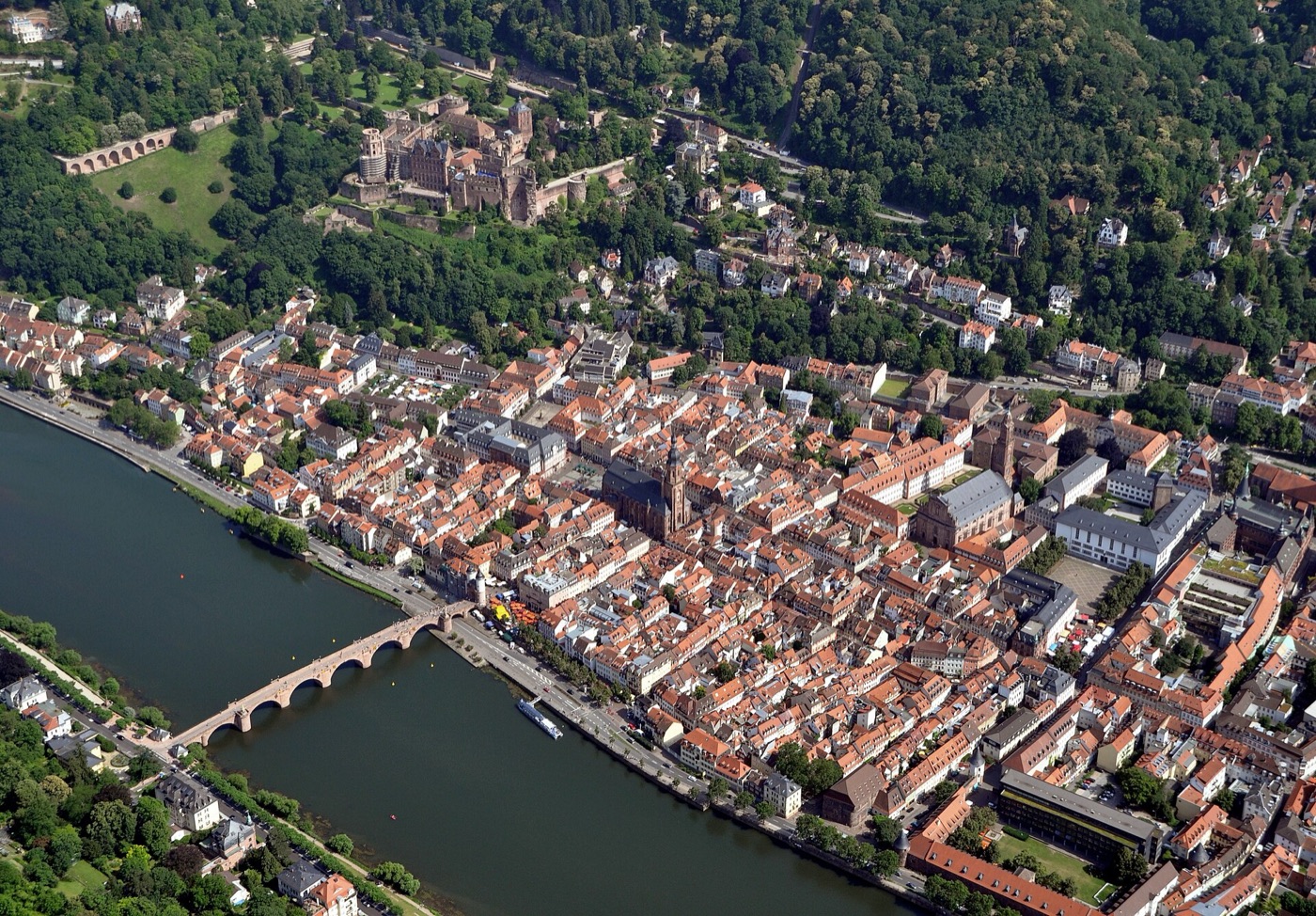
Aerial view of Heidelberg’s old town and castle
Heidelberg: the old town and castle above the Neckar, where Rizal studied ophthalmology in 1886. Schlurcher, CC BY 4.0, via Wikimedia Commons.

Geography is
part of the argument.

Education abroad gave Rizal intellectual tools and distance from colonial Manila. Exile in Dapitan restricted his movement but did not end his capacity for local service. Place shapes what a person can do.

1861–1882

Calamba

Birthplace and family home; a starting point for understanding his early education.

Read the source ↗
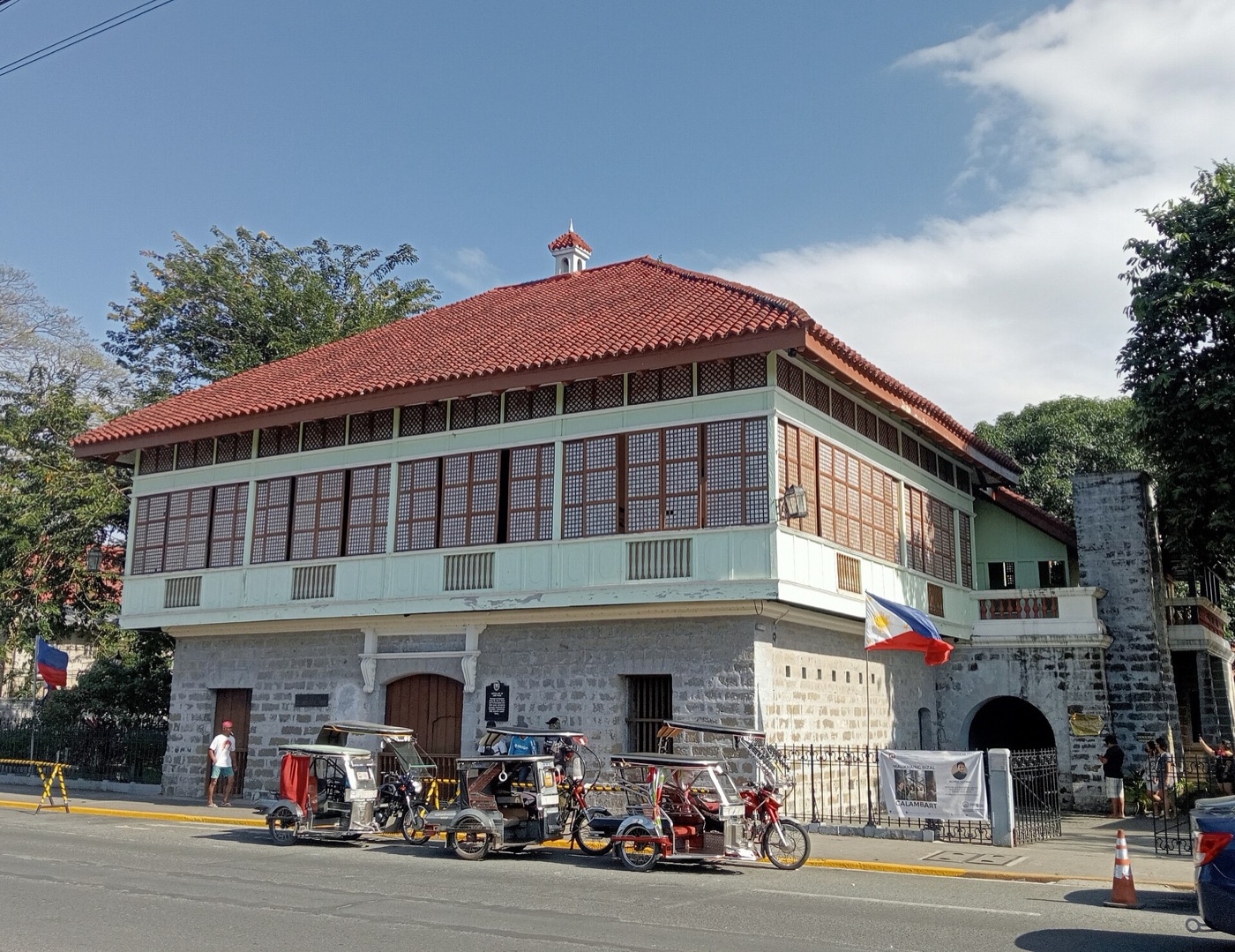
The Rizal Shrine in Calamba, Laguna
The Rizal Shrine in Calamba, a reconstruction of the family house where Rizal was born.Ralff Nestor Nacor, CC BY-SA 4.0, via Wikimedia Commons.
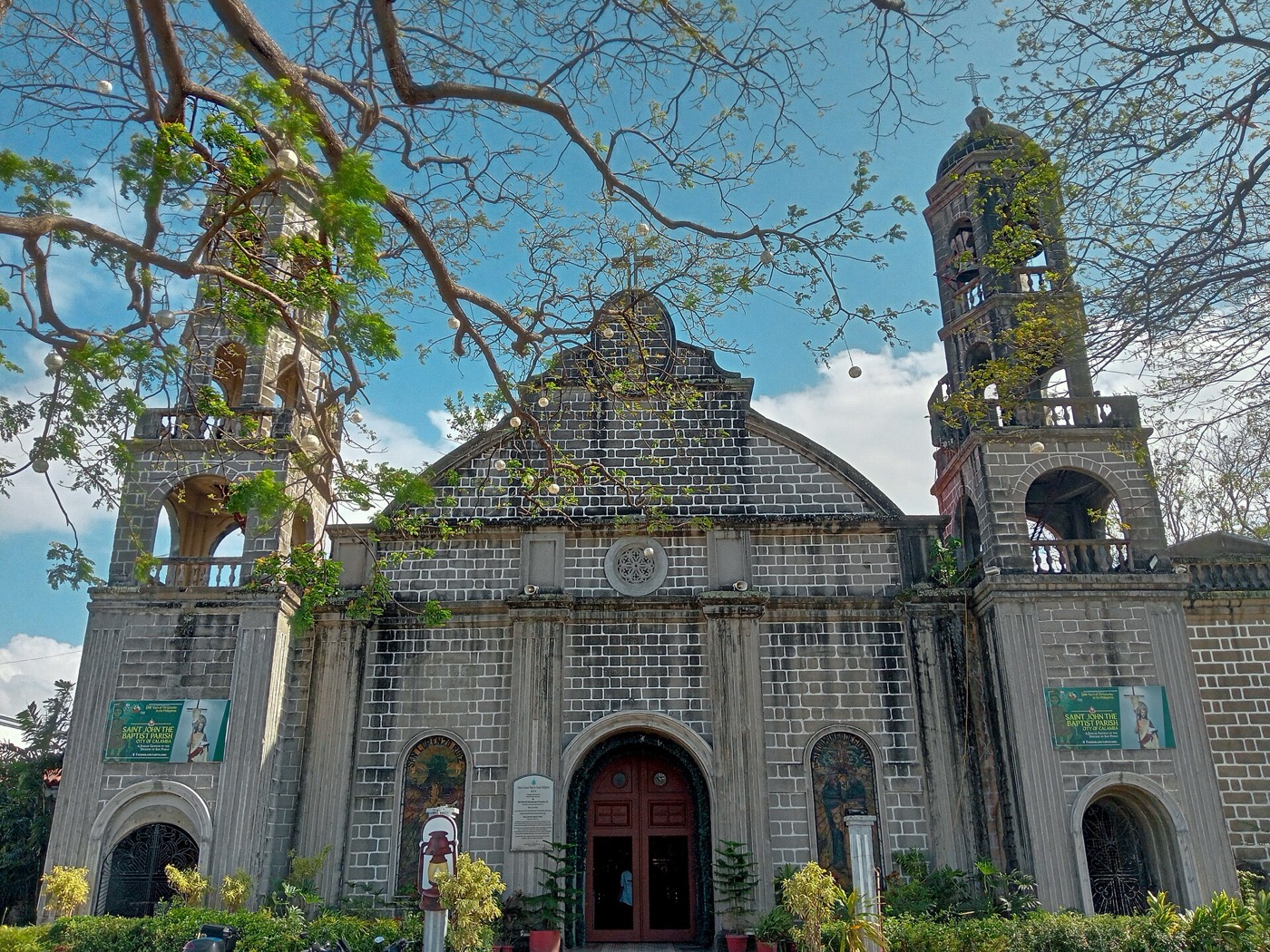
Saint John the Baptist Parish Church in Calamba, Laguna
Saint John the Baptist Parish Church, Calamba. Rizal was baptized here in 1861.Ralff Nestor Nacor, CC BY-SA 4.0, via Wikimedia Commons.
1872–1882; 1892; 1896

Manila

Schooling, the founding of La Liga Filipina, imprisonment, and trial connect this city to different phases of his life.

Read the source ↗
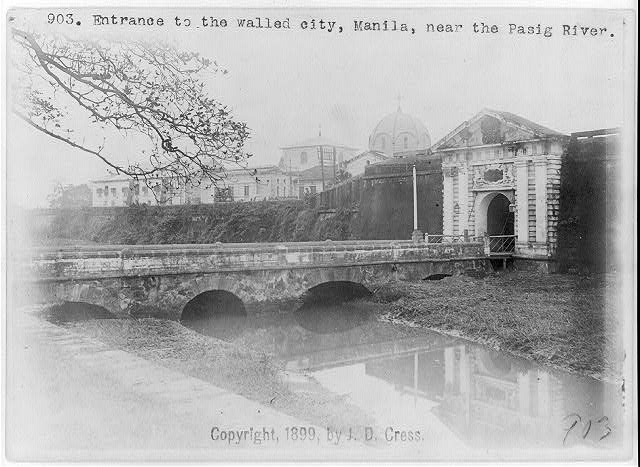
Entrance to Manila’s walled city, photograph cataloged circa 1899
Entrance to the walled city near the Pasig River, cataloged circa 1899. It postdates Rizal’s death.J. D. Cress, c. 1899. Library of Congress, LC-USZ62-60796. No known restrictions.
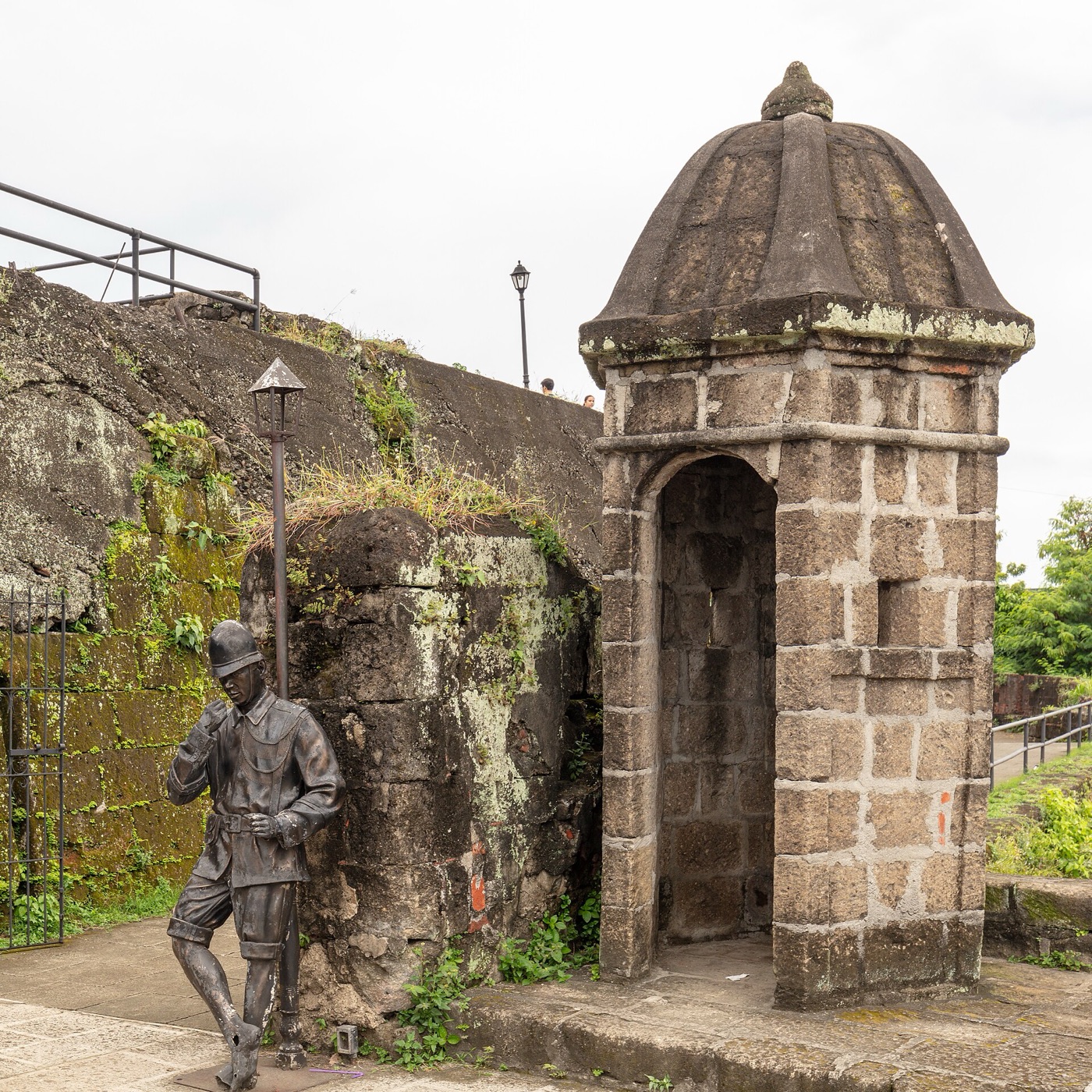
Stone walls and gateway of Fort Santiago in Manila
Fort Santiago, Intramuros. Rizal was held here before his trial and execution.Diego Delso, CC BY-SA 4.0, via Wikimedia Commons.
1882–1885

Madrid

University studies and Filipino intellectual networks shaped his work abroad.

Read the source ↗
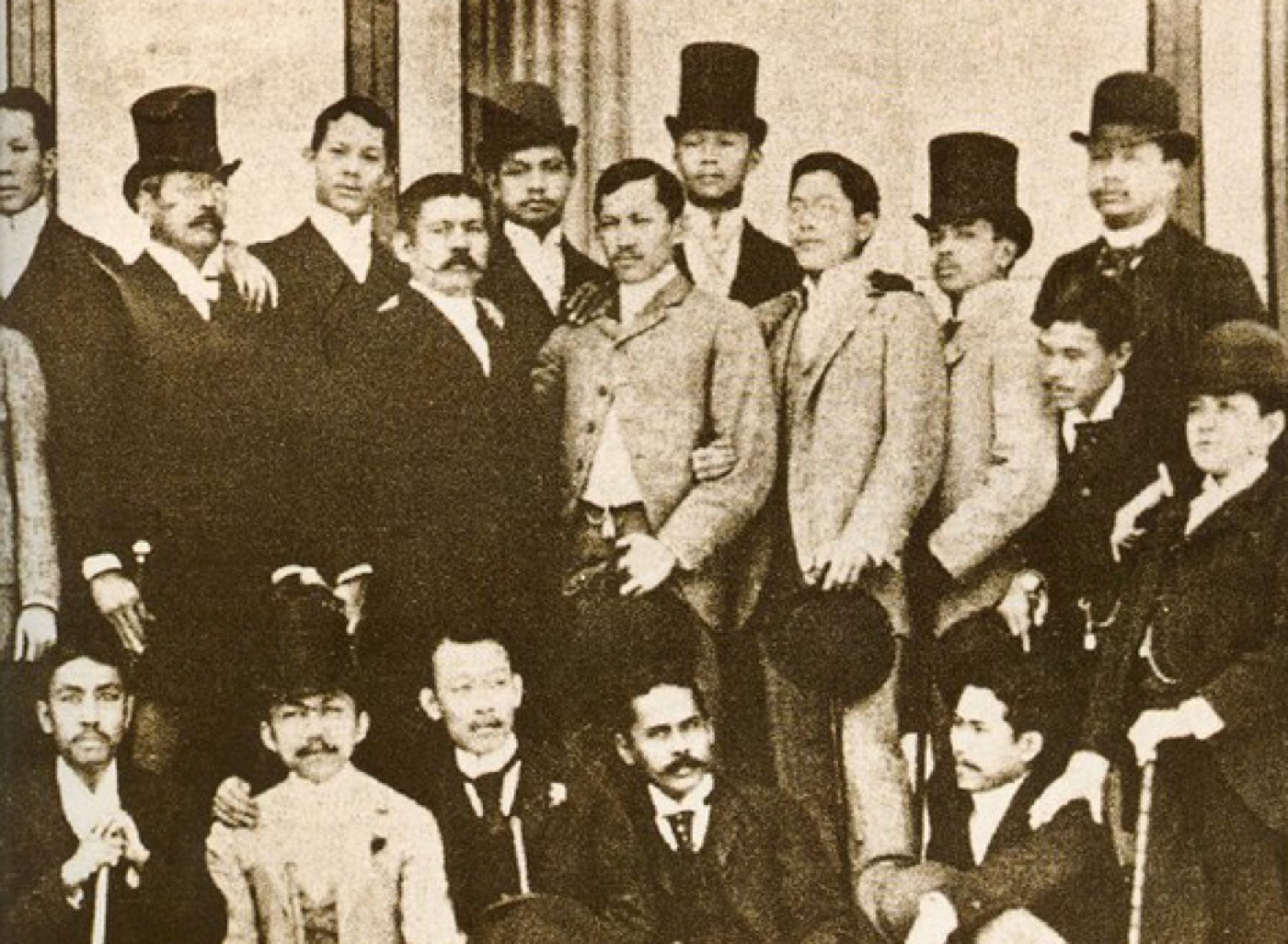
Group portrait of José Rizal, Marcelo del Pilar and other Filipinos in Madrid
Rizal (centre) with Marcelo del Pilar and other Filipino expatriates in Madrid.Unknown photographer, late nineteenth century. Public domain.
1885–1886

Paris

Clinical training with Louis de Wecker developed his skills in eye medicine.

Read the source ↗
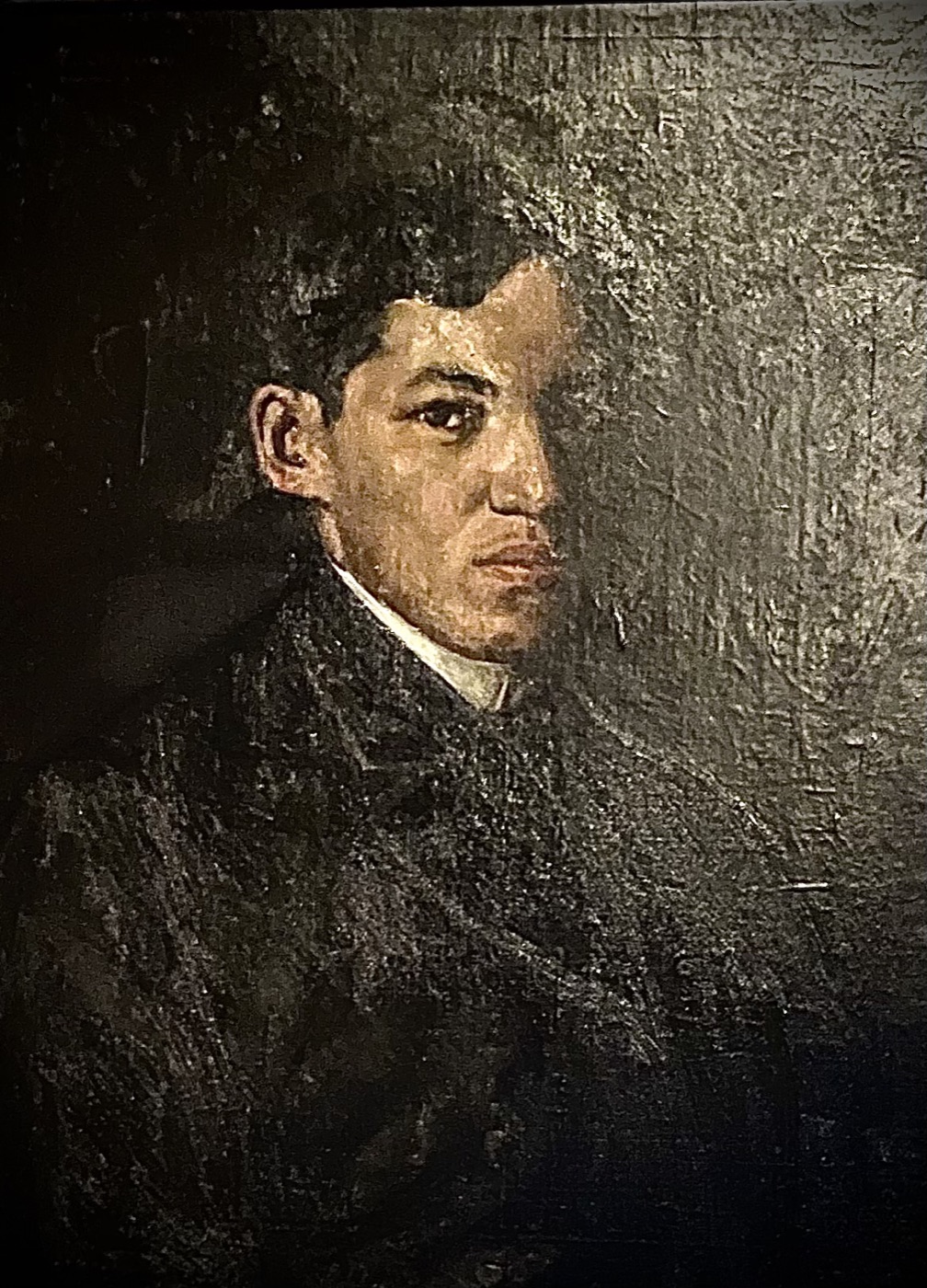
1891 portrait of José Rizal by Telesforo Sucgang
Rizal in 1891, the year El Filibusterismo appeared in Ghent.Telesforo Sucgang, 1891. Wikimedia Commons, CC0.
1886

Heidelberg

Ophthalmology with Otto Becker, writing, and friendships with the Ullmer family.

Read the source ↗
Aerial view of Heidelberg’s old town and castle
Heidelberg: the old town and castle above the Neckar, where Rizal studied ophthalmology in 1886.Schlurcher, CC BY 4.0, via Wikimedia Commons.
1887

Berlin

Publication city of Noli Me Tangere.

Read the source ↗
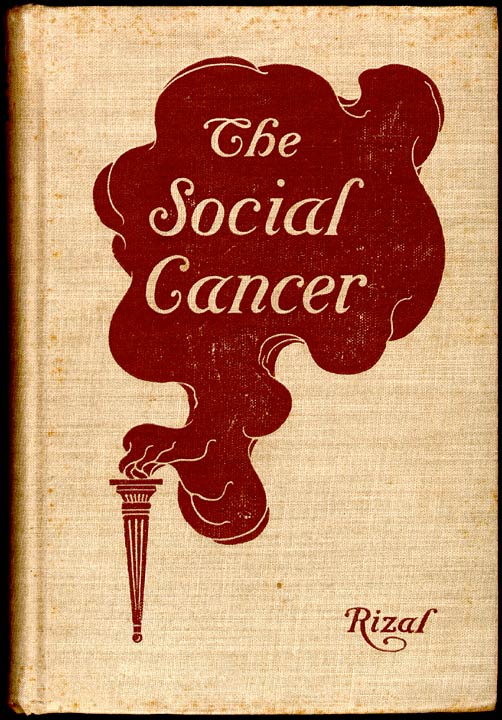
Digitized cover of The Social Cancer, 1912 English edition
The 1912 Derbyshire translation of Noli Me Tangere, digitized by Project Gutenberg.Project Gutenberg ebook 6737. Public-domain edition.
1891

Ghent

Publication city of El Filibusterismo.

Read the source ↗
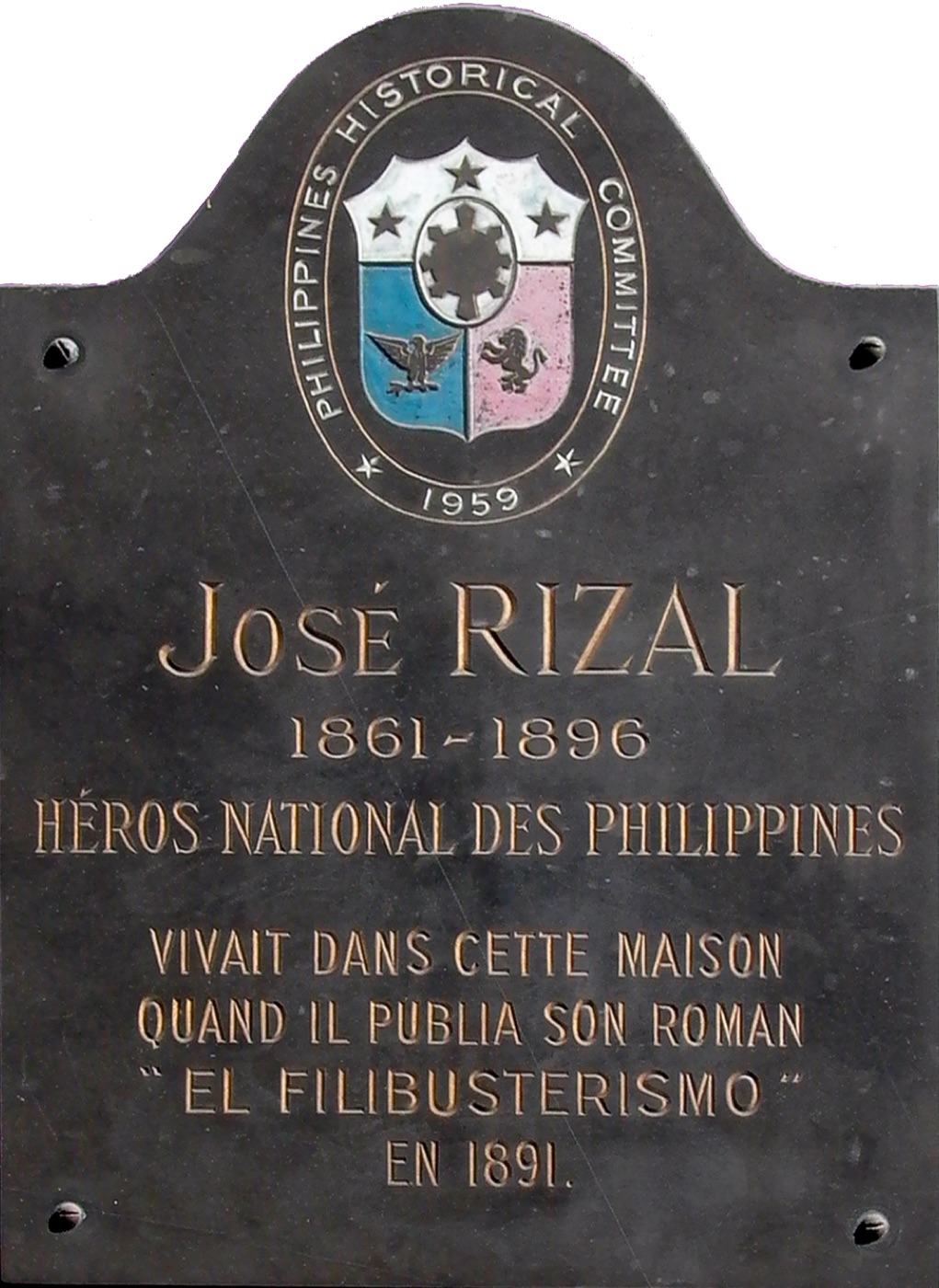
Memorial plaque for José Rizal in Ghent
The Rizal plaque in Ghent, marking the city where El Filibusterismo was printed.Paul Drieghe, CC BY-SA 3.0, via Wikimedia Commons.
Facsimile cover of El Filibusterismo, 1891
A facsimile of the 1891 El Filibusterismo cover. The novel was printed in Ghent.José Rizal, 1891. Public domain.
1891–1892

Hong Kong

Rizal lived here before returning to Manila in June 1892.

Read the source ↗
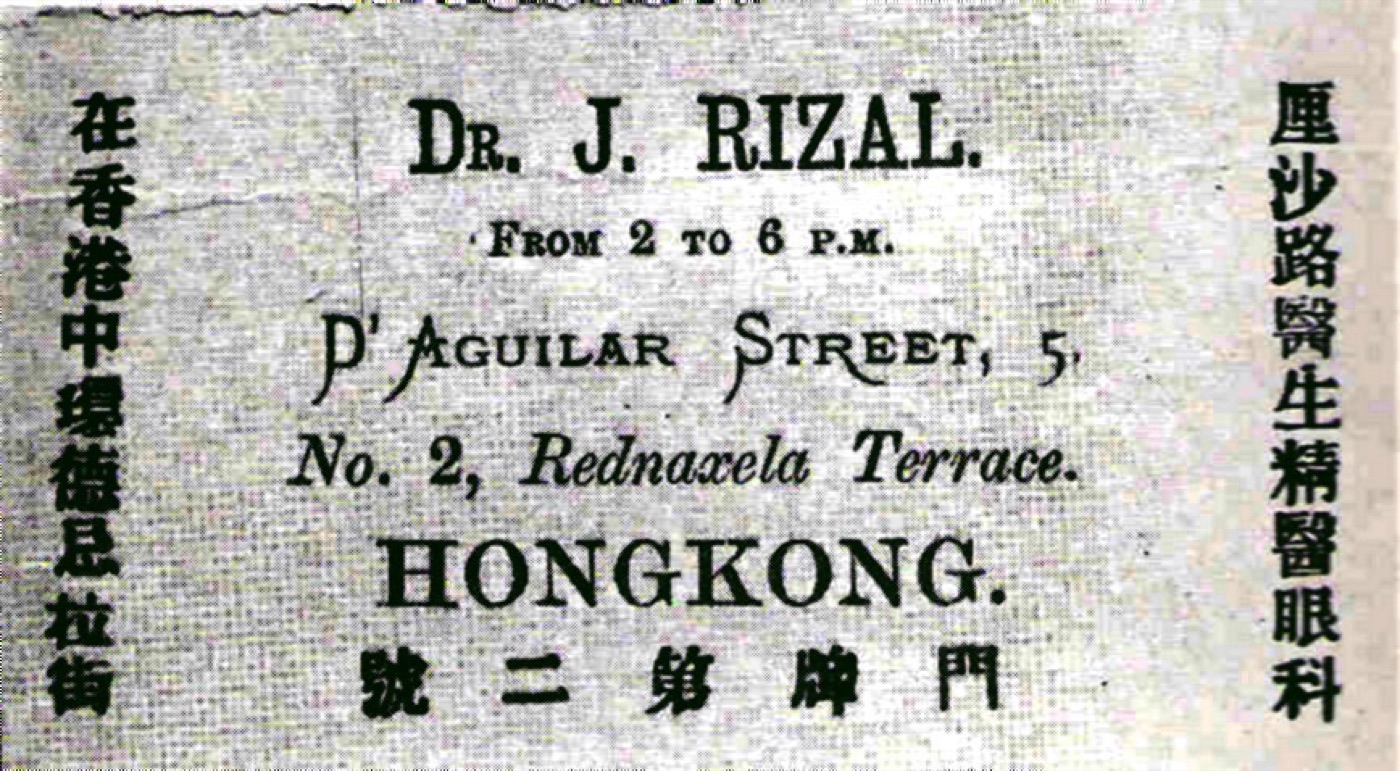
Ophthalmologist business card of Dr. José Rizal from Hong Kong
Rizal’s ophthalmologist business card from Hong Kong, a document of his working life in exile.José Rizal, late nineteenth century. Free Art License.
1892–1896

Dapitan

Exile made this a site of teaching, medical practice, and community work.

Read the source ↗
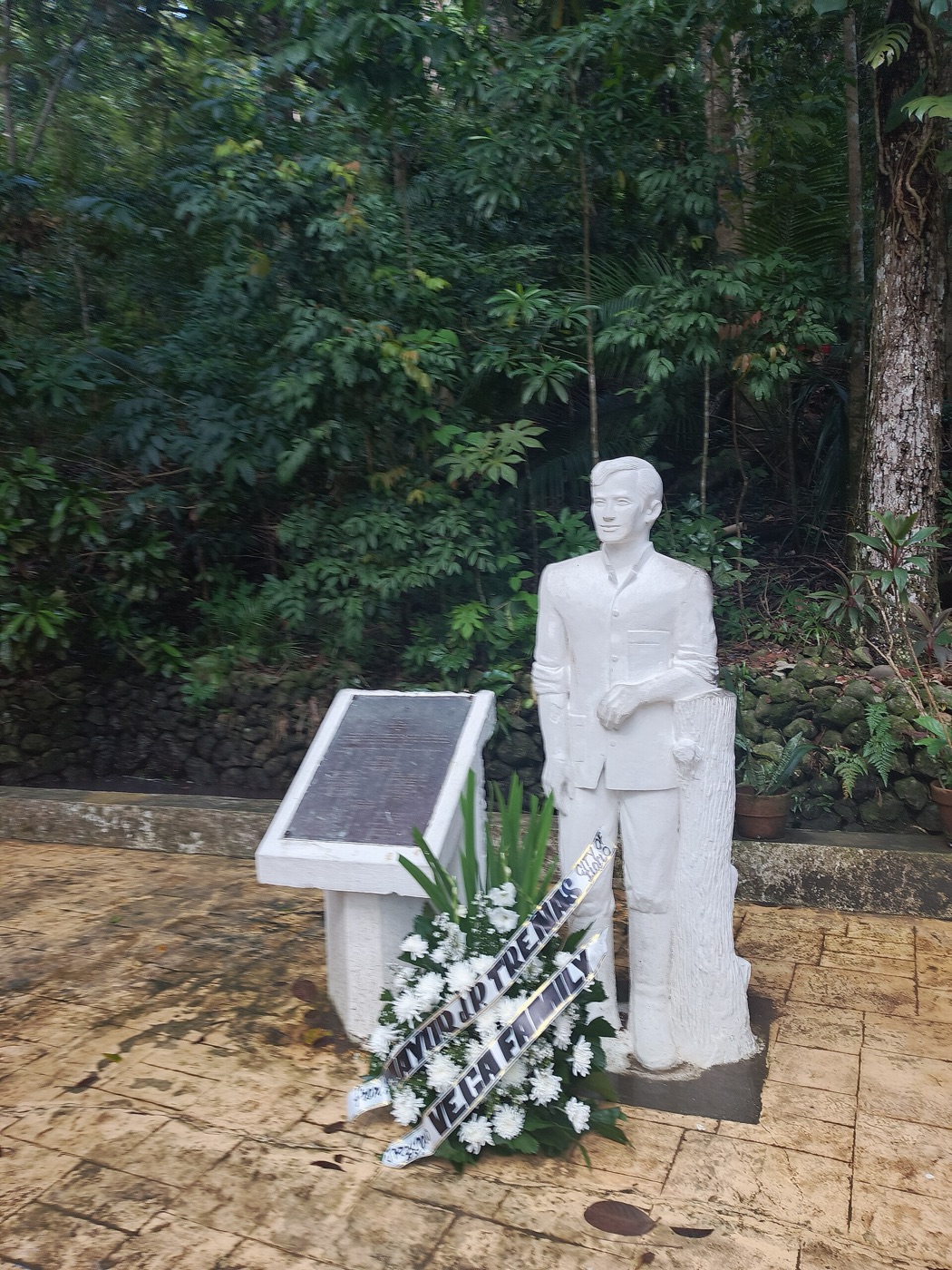
A structure at the Rizal Shrine in Dapitan City
The Rizal Shrine in Dapitan, where exile became a period of medical practice, teaching, and community work.QuianCagandahan, CC BY 4.0, via Wikimedia Commons.
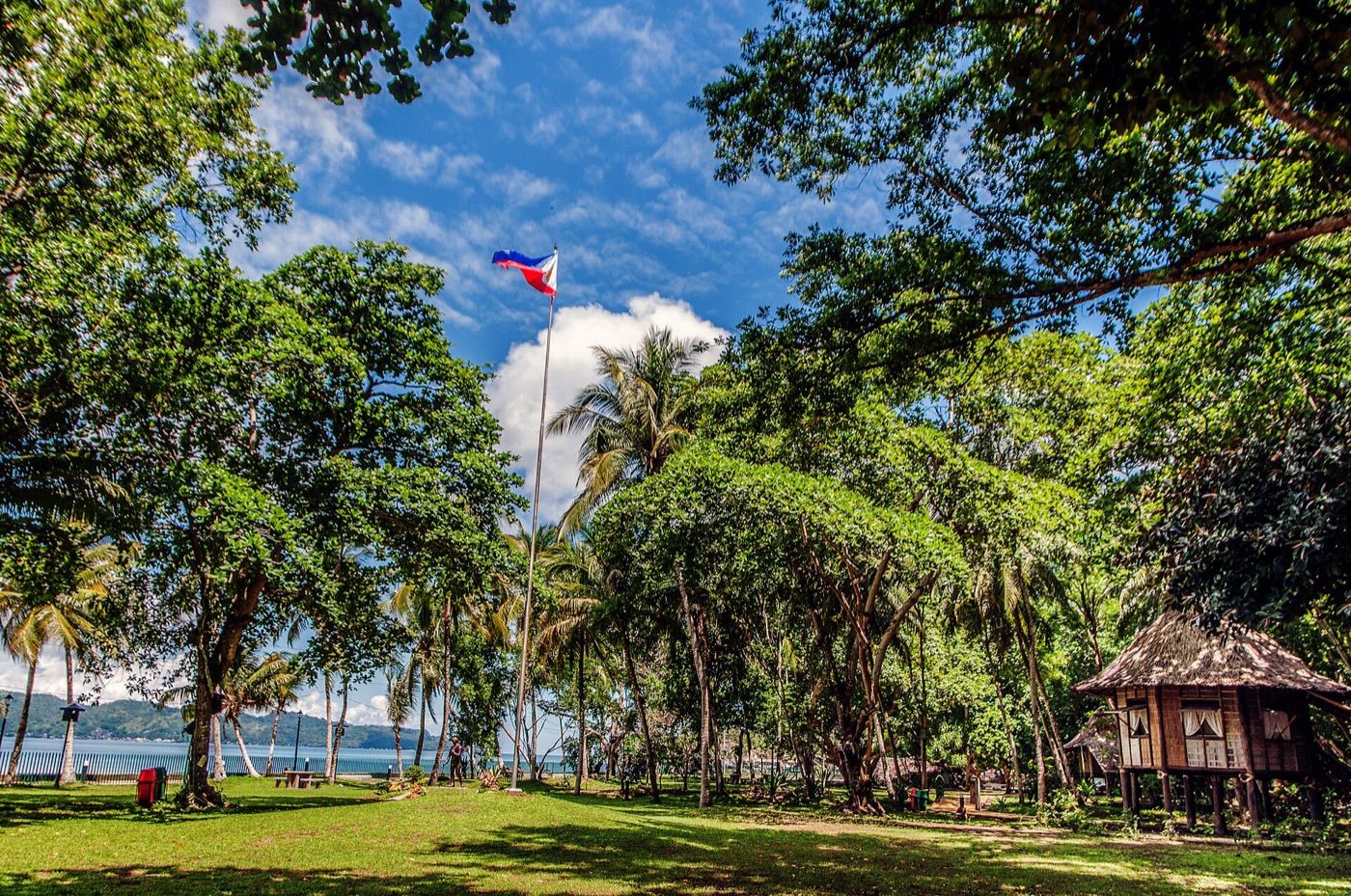
José Rizal Park and Shrine in Dapitan City
The park and shrine at Talisay, Dapitan. Rizal lived here from 1892 until 1896.Francisco M. Pajares, Jr., CC BY-SA 4.0, via Wikimedia Commons.
December 30, 1896

Bagumbayan

Place of execution. Today’s memorial landscape asks how a nation remembers.

Read the source ↗
The Rizal Monument at Luneta Park in Manila
The Rizal Monument at Luneta, the memorial landscape that grew around the execution site.Bondyag112665, CC BY-SA 3.0, via Wikimedia Commons.
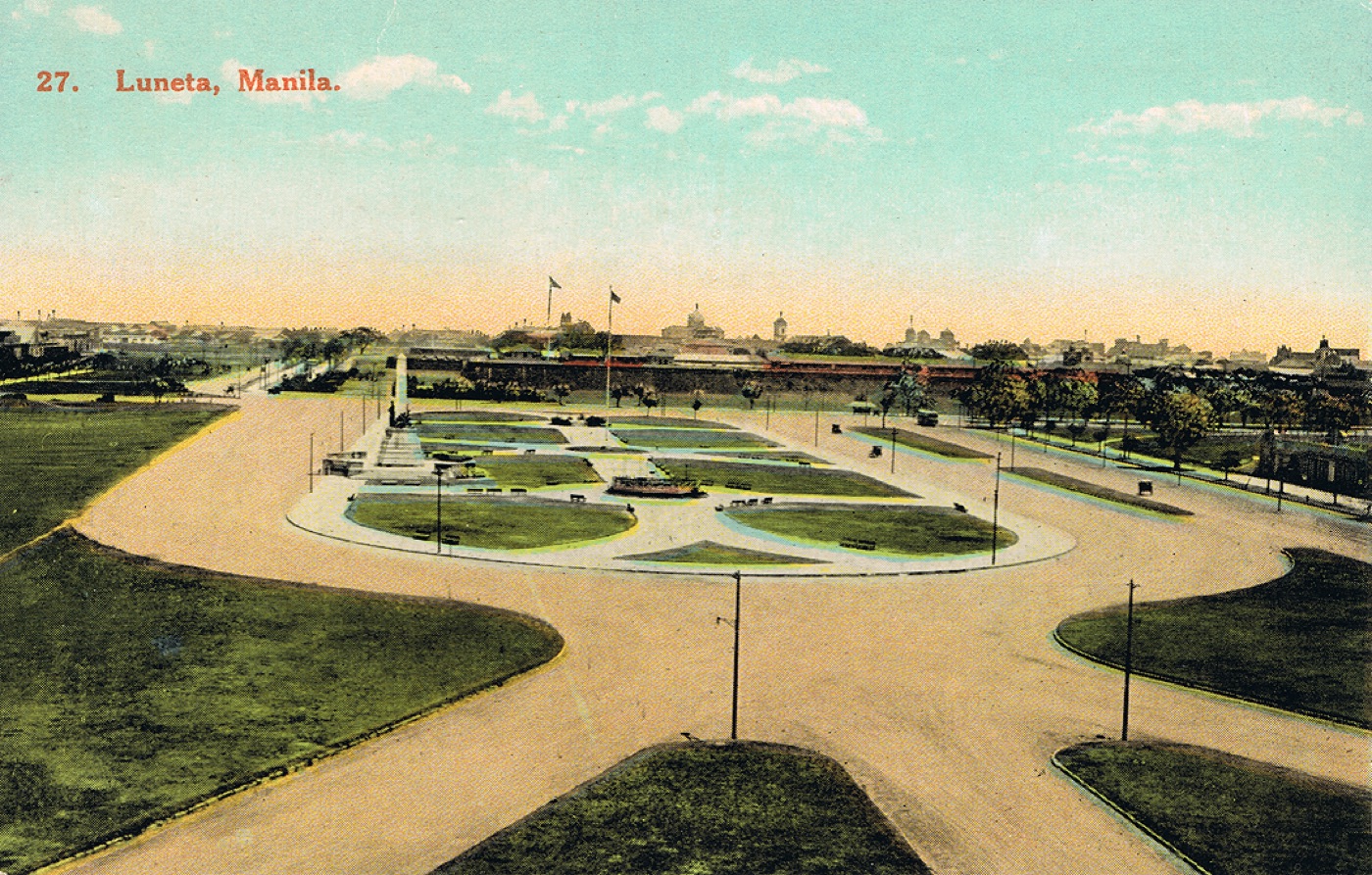
Early twentieth-century postcard of the Luneta in Manila
An early twentieth-century postcard of the Luneta, before the present monument was completed.Postcard, early twentieth century. Public domain.

Locations are approximate and mark cities or sites, not a reconstructed itinerary. Present-day photographs show the places as they are now; they are not evidence of what Rizal saw. Map tiles on the interactive page come from OpenStreetMap.

Open the map

Select a marker or use the keyboard-accessible location list. The full descriptions work even when map tiles do not load.

Open the journey map ↗